One question I was usually asked by people at Ballymaloe who knew I’d been to Gastronomicom was which I’d recommend. The answer, as usual, is “it depends”. There are some easy cases.
- If you are really keen on pastry work then you want 3 months with Chef Pol in Gastronomicom.
- If you want to work in a Michelin * restaurant then, again, Gastronomicom is for you with their 7 month program.
- If you want to spend time in wonderful surroundings on a farm, see how the food is grown, milk cows, feed hens, learn about fermentation or have the opportunity to bake bread every morning then it has to be Ballymaloe.
- If you want to learn (restaurant) French as you learn about pastry or cooking then that’s an option at Gastronomicom.
Then there’s the cooking & teaching style.
- At Gastronomicom, two people work as a team to produce dishes that are being demonstrated in real time by a single Chef teacher. He shows a few steps, you complete those and then more are shown, And for a tart, for example, one of you could be preparing the pastry and the other the filling.
- At Ballymaloe, Chefs (mostly either Rory O’Connell or Rachel Allen) demonstrate a range of dishes on four afternoons, some of which you cook the next morning with teachers (usually one per six students) watching and helping. There are two students at each kitchen station but you’re mostly producing your own dishes.
Although there’s one teacher per six students at Ballymaloe compared to the one chef for 18 students at Gastronomicom, you don’t really get more individual attention as, at Ballymaloe, the six students will be doing different things whereas the one chef at Gastronomicom knows what you’re supposed to be doing and can watch you all.
Gastronomicom is certainly more intense for either cooking or pastry, though, as you have 3 hours of each 5 days per week. At Ballymaloe you are only cooking for 4 mornings per week and that time is shared between cooking and pastry—each section is assigned a starter, a main course & accompaniments and a dessert; the recommended split between the two students is for one to do the starter and dessert, the other the main course elements (although this can change if the dessert, say, is a complicated cake) and to alternate through the week.
The non-cooking day at Ballymaloe (usually Wednesday) is given over to dedicated demonstrations (including a couple by guest chefs) on particular topics (vegetarian, gluten free, …) plus sessions on other food industry related topics—notably a couple on the business of running a food business.
Personally, I’m glad I went to Gastronomicom before I went to Ballymaloe. Doing things in the order I did, I learnt a lot at Gastronomicom (especially pastry with Chef Pol) but still wanted to experience the integrated farm-to-fork environment at Ballymaloe. If I’d been to Ballymaloe first I probably wouldn’t have felt the need to go to Gastronomicom and yet I’d have missed so much I learnt there—the pastry, obviously, but also the sauces, the plating and other aspects from Chef Fabrice’s cooking classes.
Ballymaloe is definitely about cooking for “high street’ restaurants/cafés and bakeries, not fine dining, and Gastronomicom the inverse. That difference in focus did mean that at Ballymaloe you were supposed to deliver the result expected by Ballymaloe, not your interpretation of the recipe. That sometimes annoyed me but it does make sense: professional kitchens need to turn out consistent dishes day after day. In any case, once you’ve left Ballymaloe, what you do with the recipes is up to you! (In some ways, the same was true at Gastronomicom: we were all following along with the Chef so should end up with something similar; it didn’t seem so forced, however—and creativity was expected in our practical exams.)
So, you decide—which is right for you, Ballymaloe or Gastronomicom?
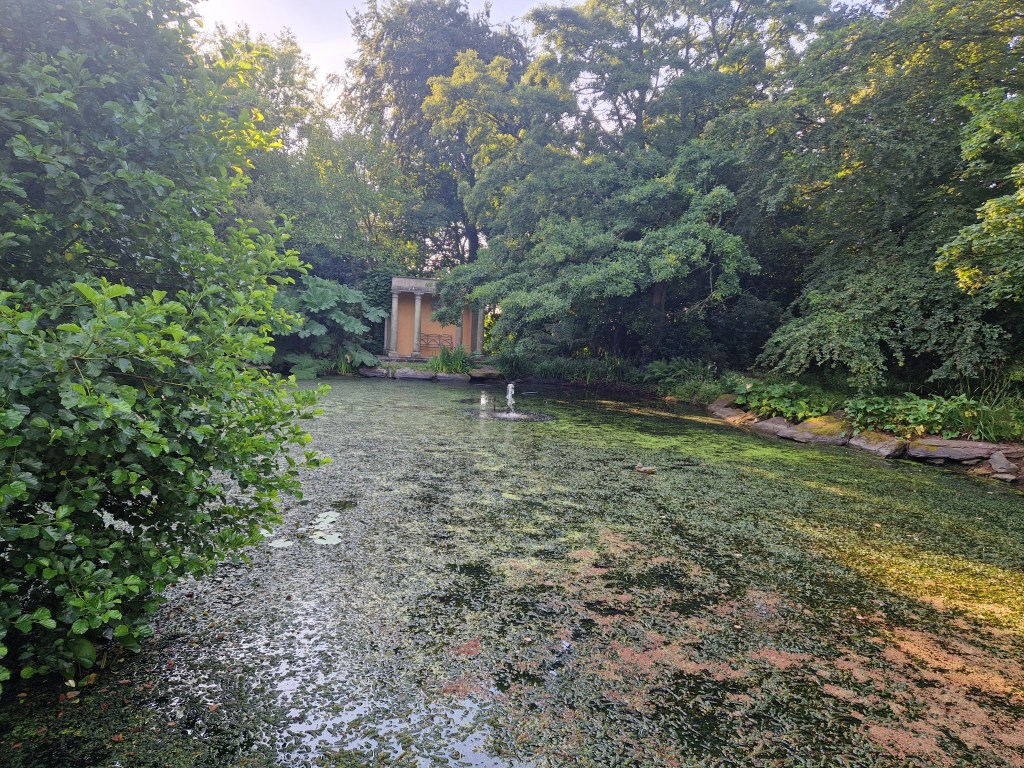
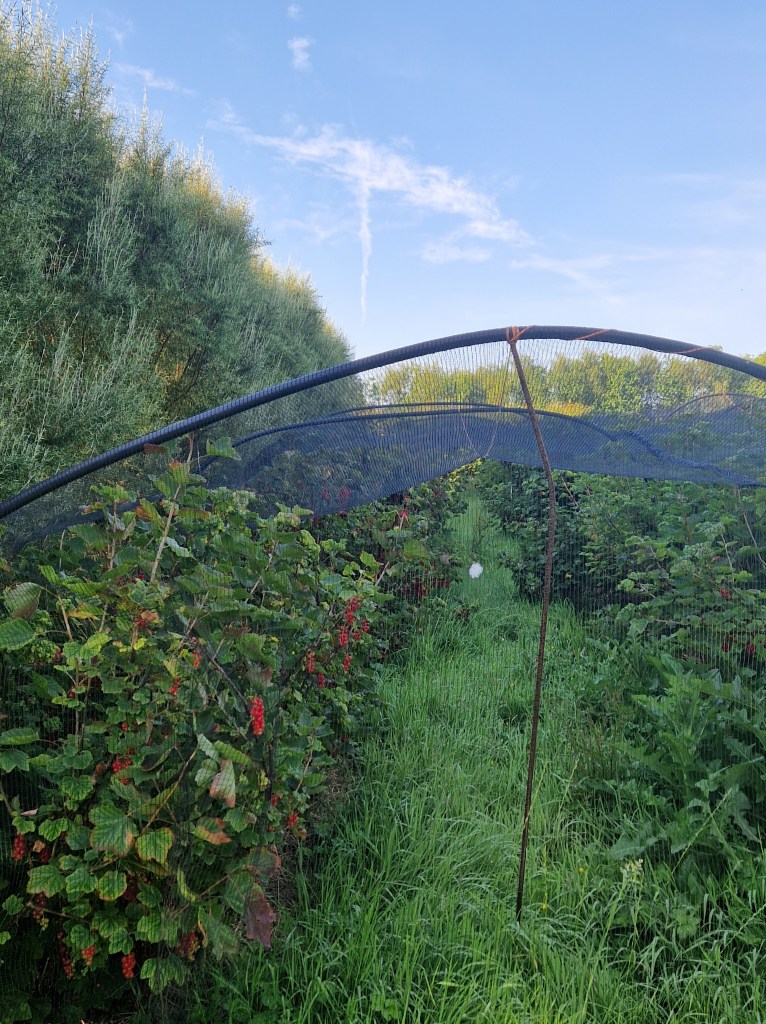
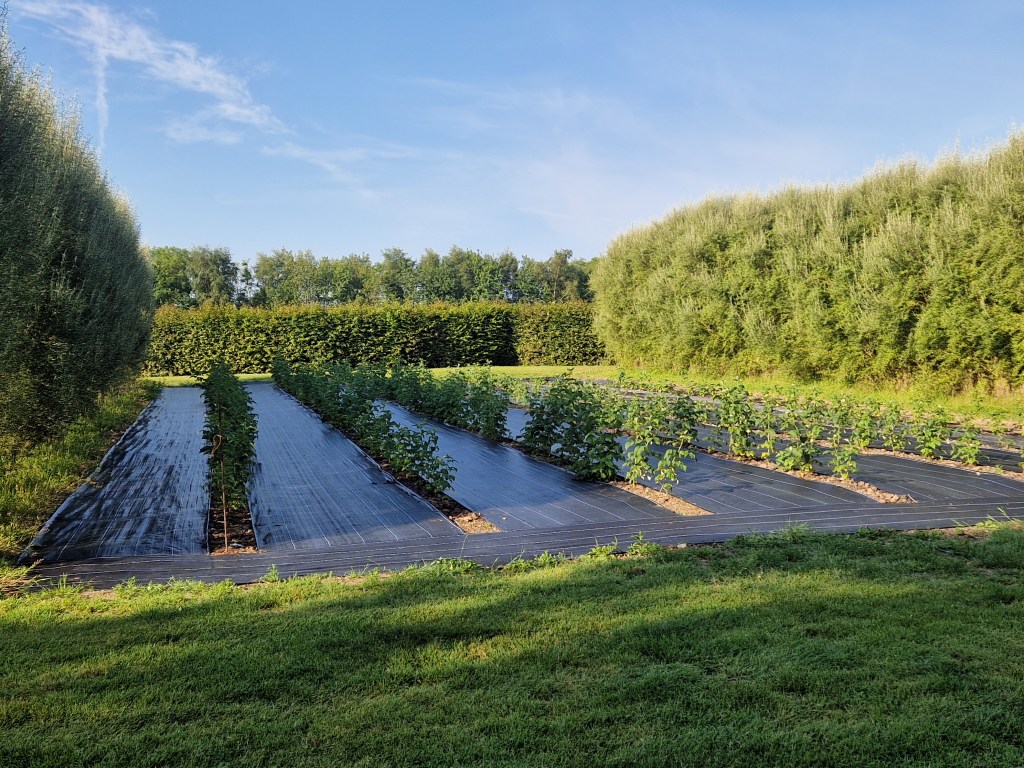
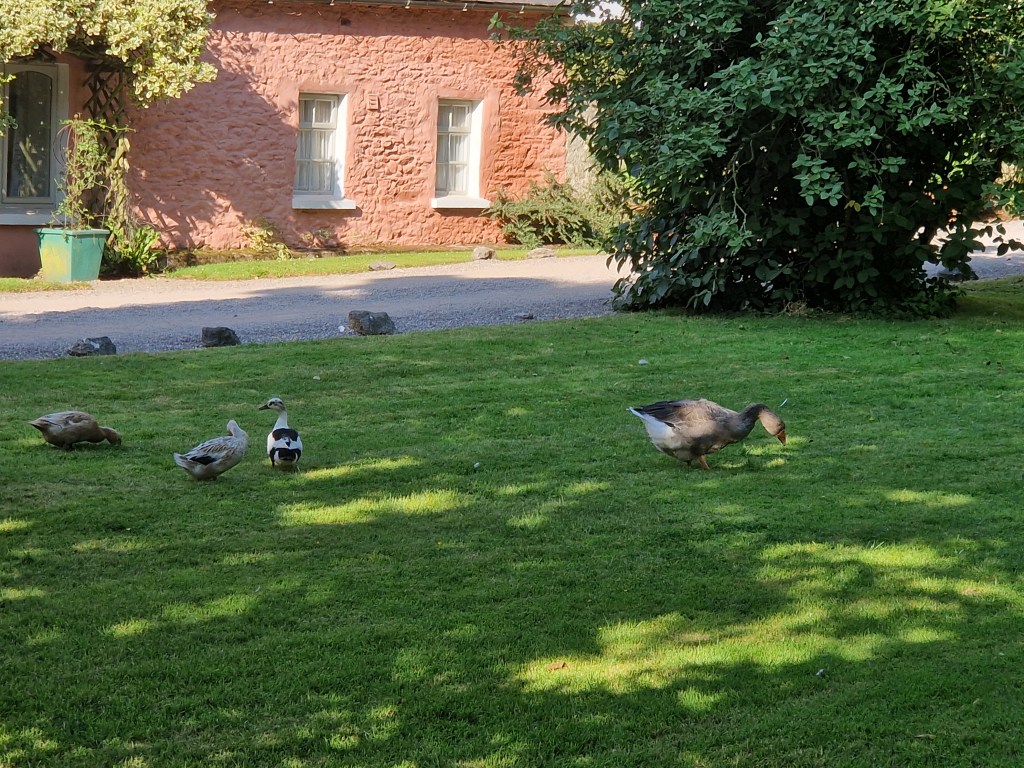
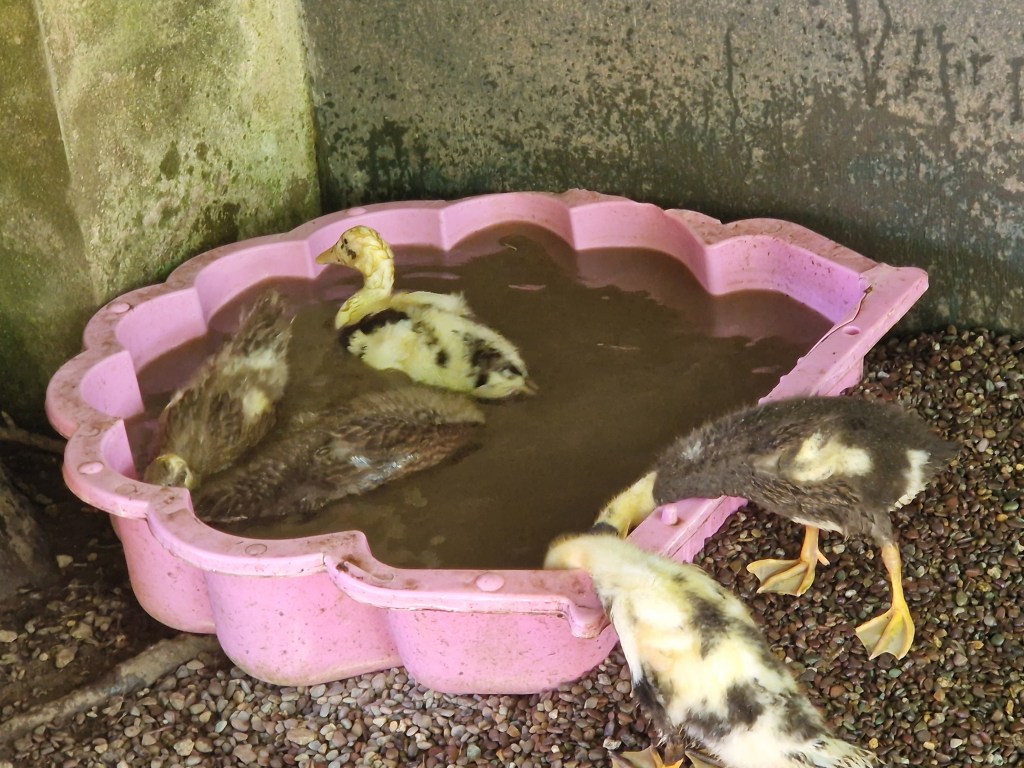
In terms of pictures, there’s no point showing more of the Gastronomicom environs (an industrial estate!), but here are some final pictures of the Ballymaloe farm and gardens.


Leave a Reply