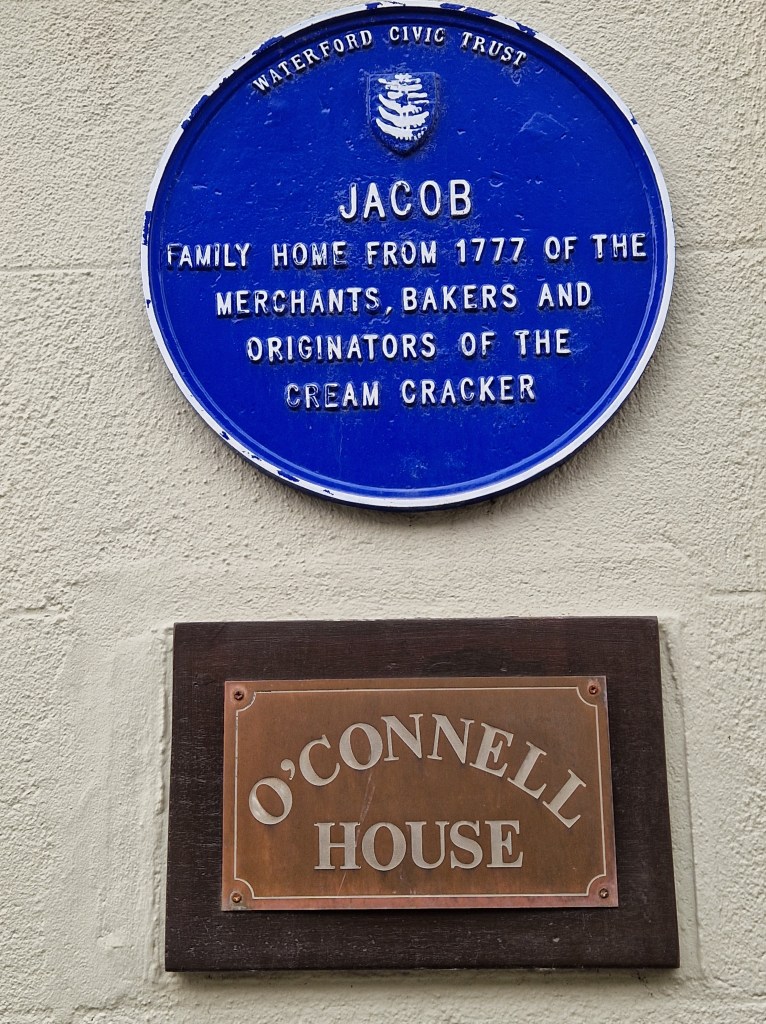
There’s a (food related) surprise as I set off along O’Connell Street this morning. Who knew there was a link between Jacob’s Cream Crackers and Waterford?
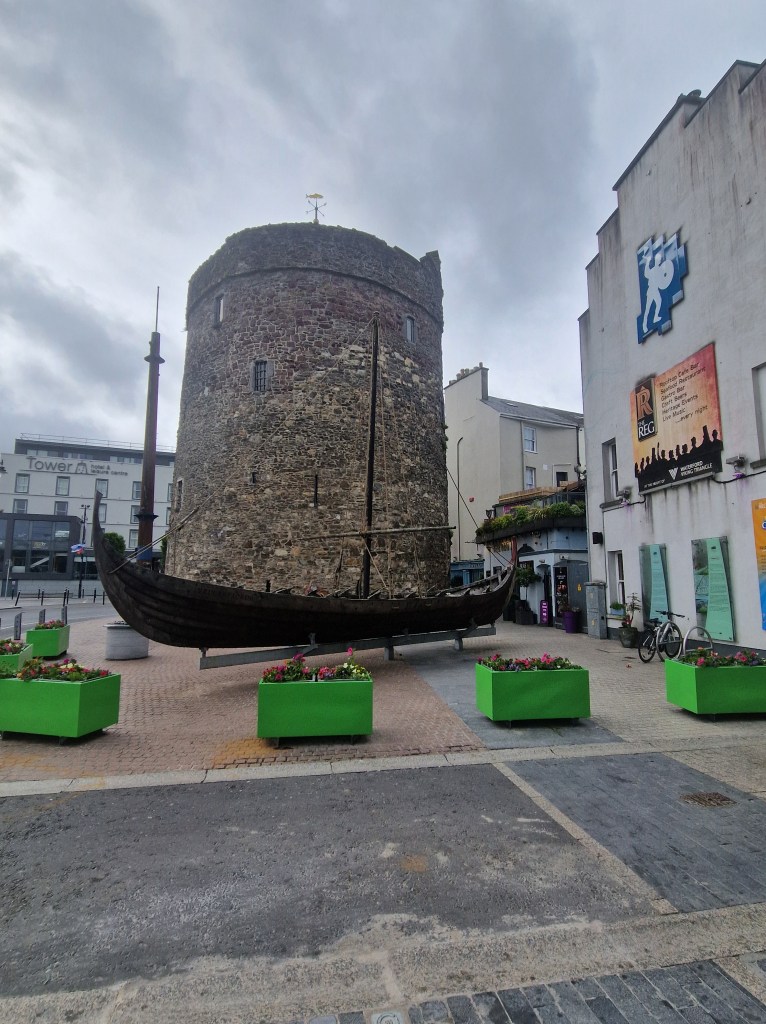
I’m also surprised to learn that the name of Waterford, Ireland’s oldest city, has nothing to do with water or fords coming, rather, from the Viking Vadrarfjordr meaning “winter harbour”. And Ireland’s only monument named in honour of a Viking is Reginald’s tower from Ragnall, the founder of the city in 914. He built a wooden tower (so the tower is also known as Dundory, meaning “the fort of oak”), but this was rebuilt a few times as the fortifications were strengthened.
Waterford was taken from the Vikings in 1170, when a deposed king of Leinster hired the Earl of Pembroke, known as Strongbow, to reinstate him, with his daughter’s hand in marriage and becoming his successor as the potential reward. Both promises were highly dubious legally—Irish women at that stage could divorce and demand the return of their dowry and Diarmait Mc Murchada, the king in question, had no right to name his successor—but Strongbow managed to breach the defences and married Aoife. As the campaign had the blessing of the then English King, Henry II, this marks the start of the English involvement in Ireland.
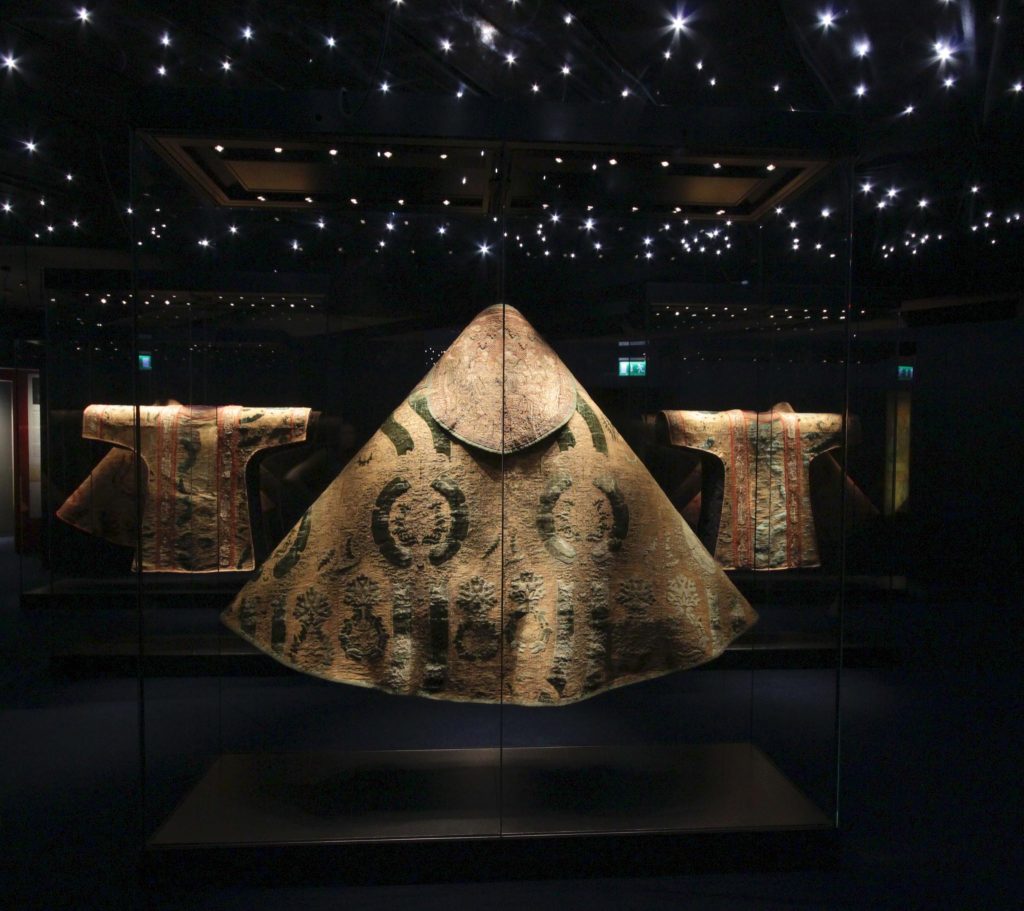
Waterford remained unconquered for nearly 400 years and with strong links to the English king (as well, even post-Henry VIII, as to Catholicism!) and even repelled Cromwell in 1649 before falling to Ireton the following year. That marked the end of Catholicism in the city but the pre-reformation vestments had been hidden (a brief summary of their chequered history!) and were only rediscovered in the 18th century when Christ Church Cathedral was demolished to be rebuilt in a more Protestant style. Relations between Protestants and Catholics were more relaxed at that time so the vestments were given to the Catholic Bishop.
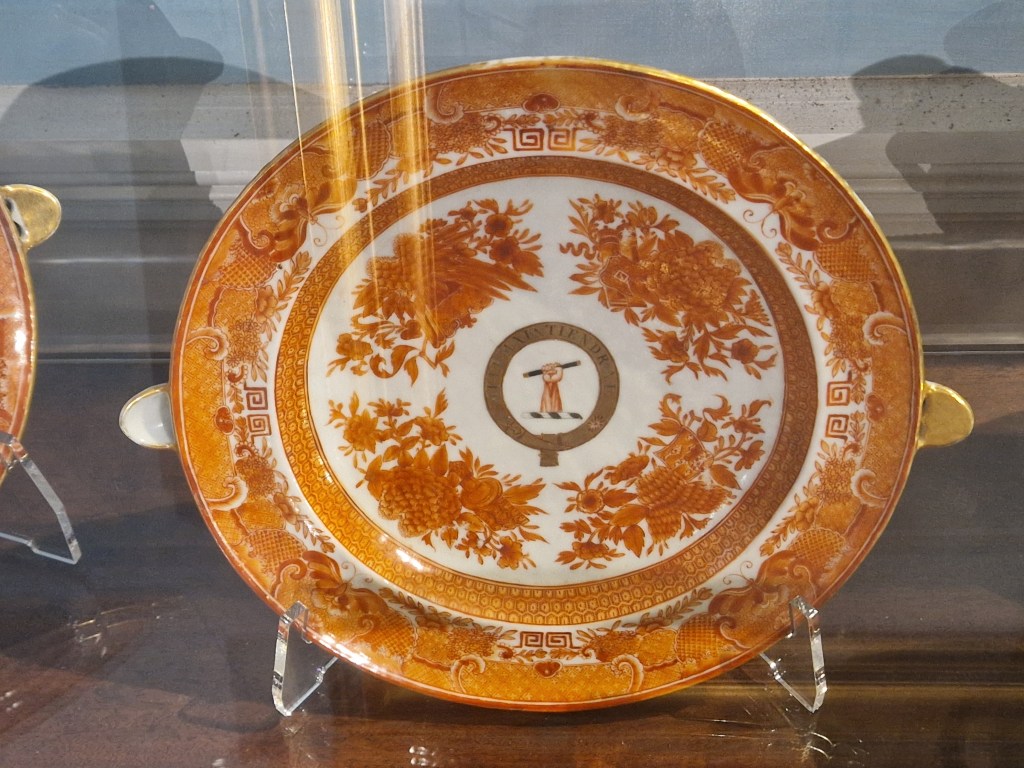
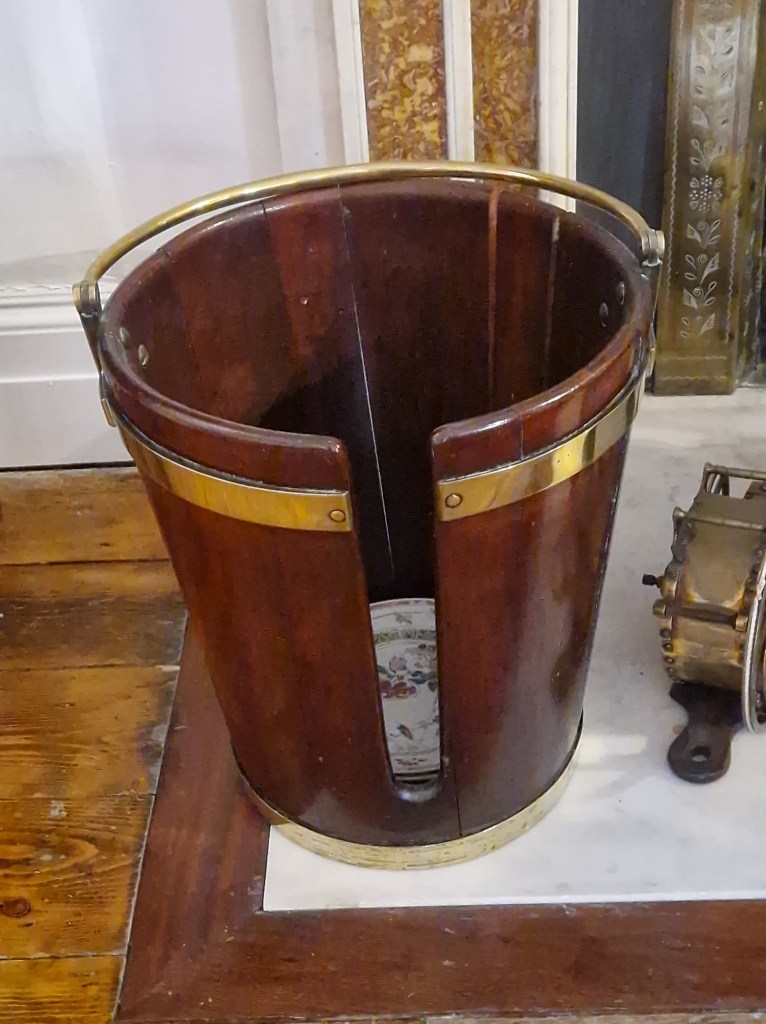
Linking Church and Food, if you tour the Georgian Bishop’s Palace you’ll see plates with “ears” in which hot water can be poured to keep food warm and also bins that were kept by the fire to keep plates warm—they have slots to ease inserting and taking out the plates. And maybe I can comment here that Ballymaloe is pretty clear on this: hot food must be served on hot plates. If a teacher can’t taste your food when you are ready to present it they will nevertheless check the temperature of your plate before coming back later.
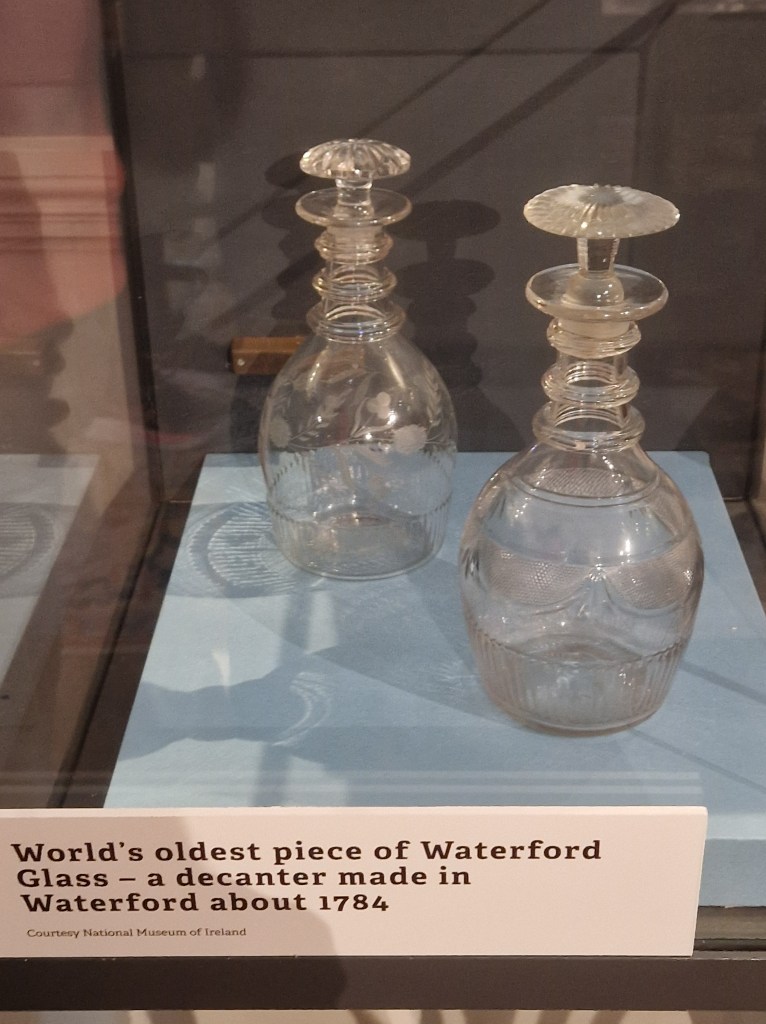
The Bishop’s Palace also has the world’s oldest piece of Waterford Crystal (the factory opened in 1783).
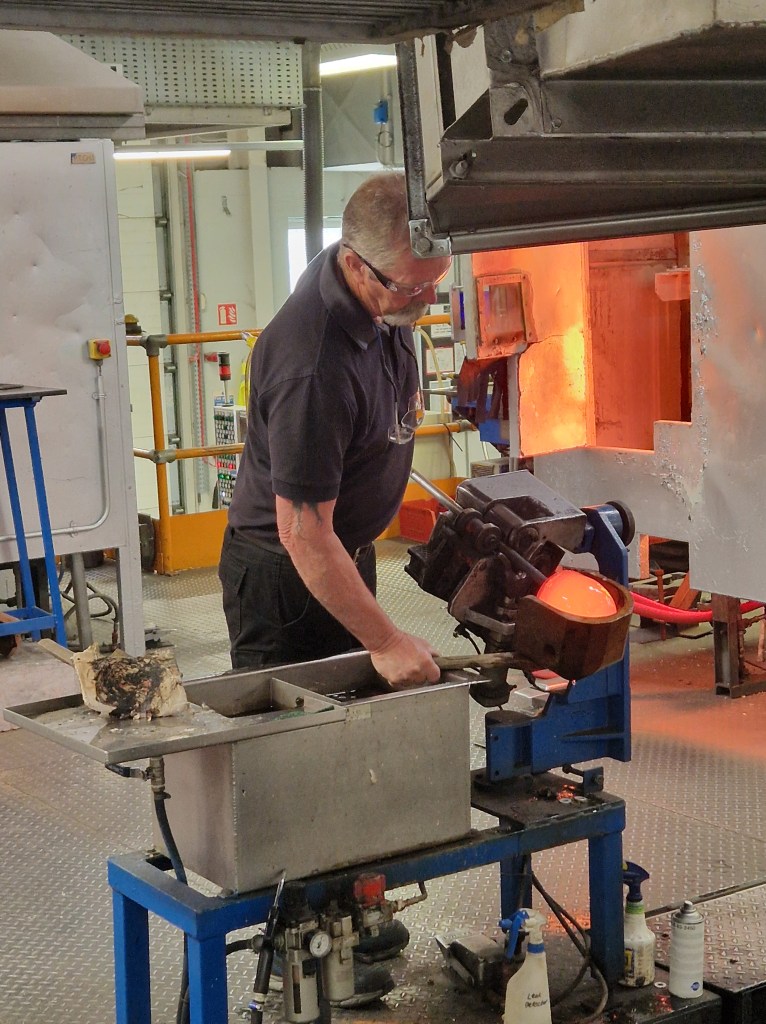
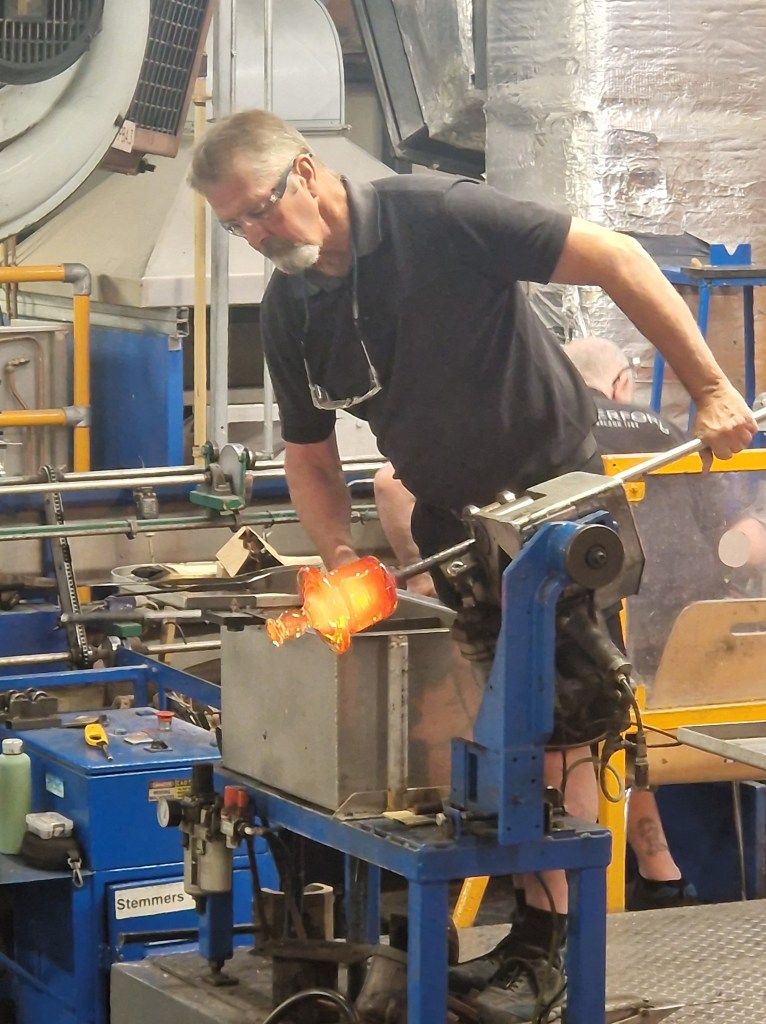
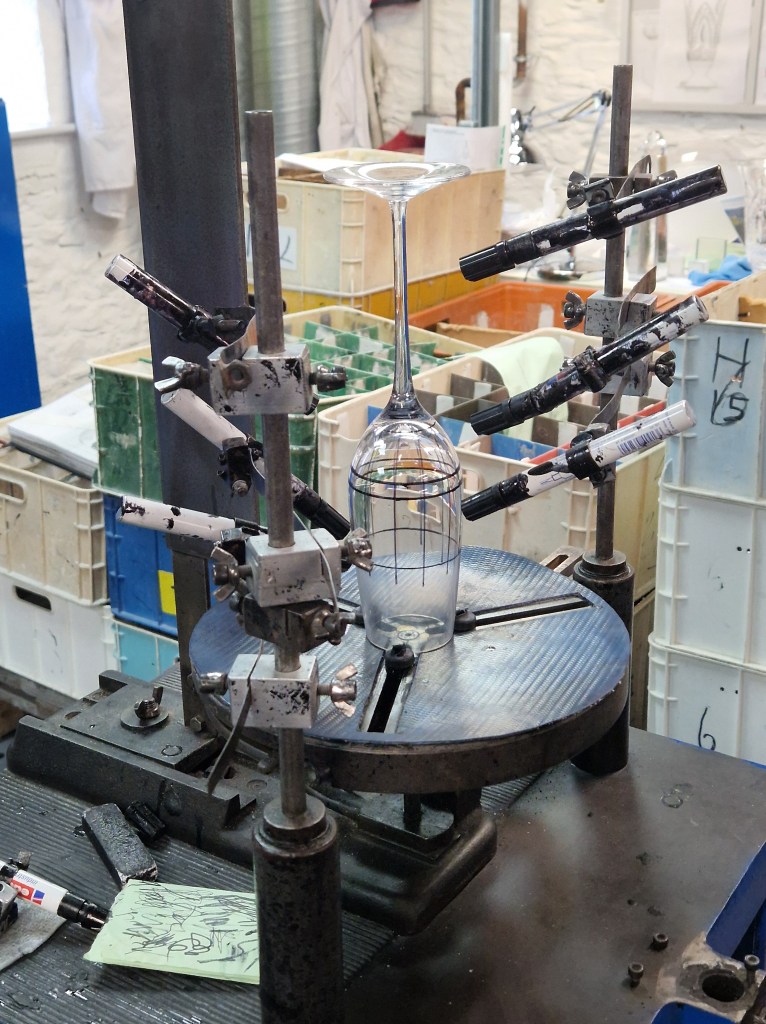
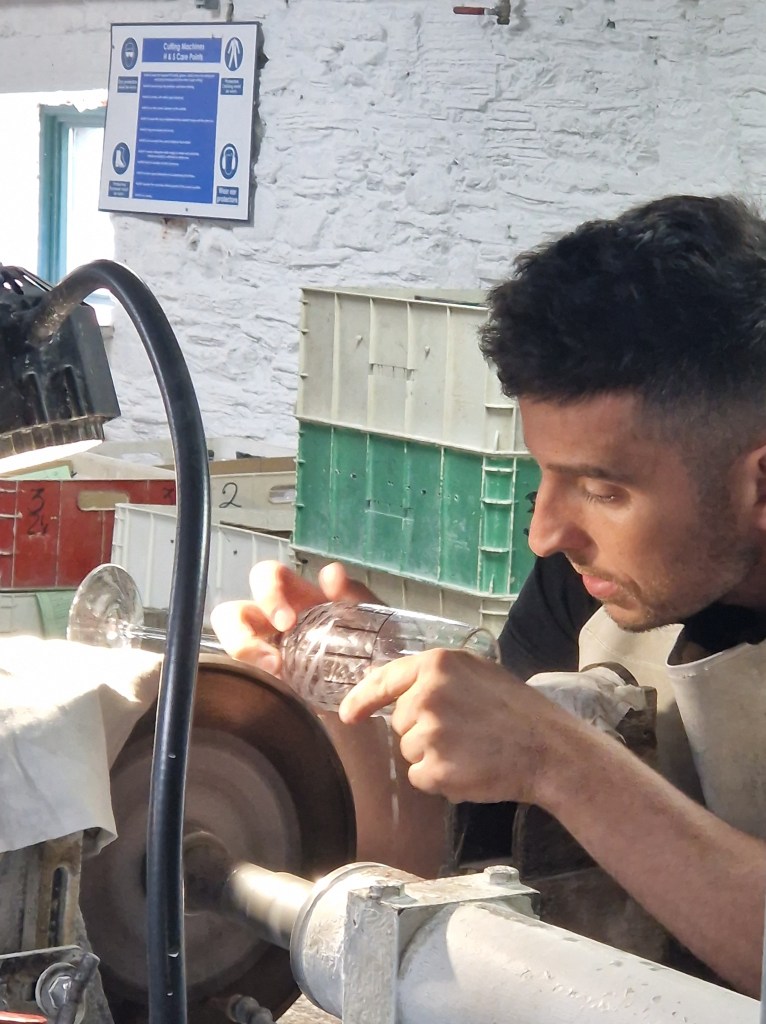
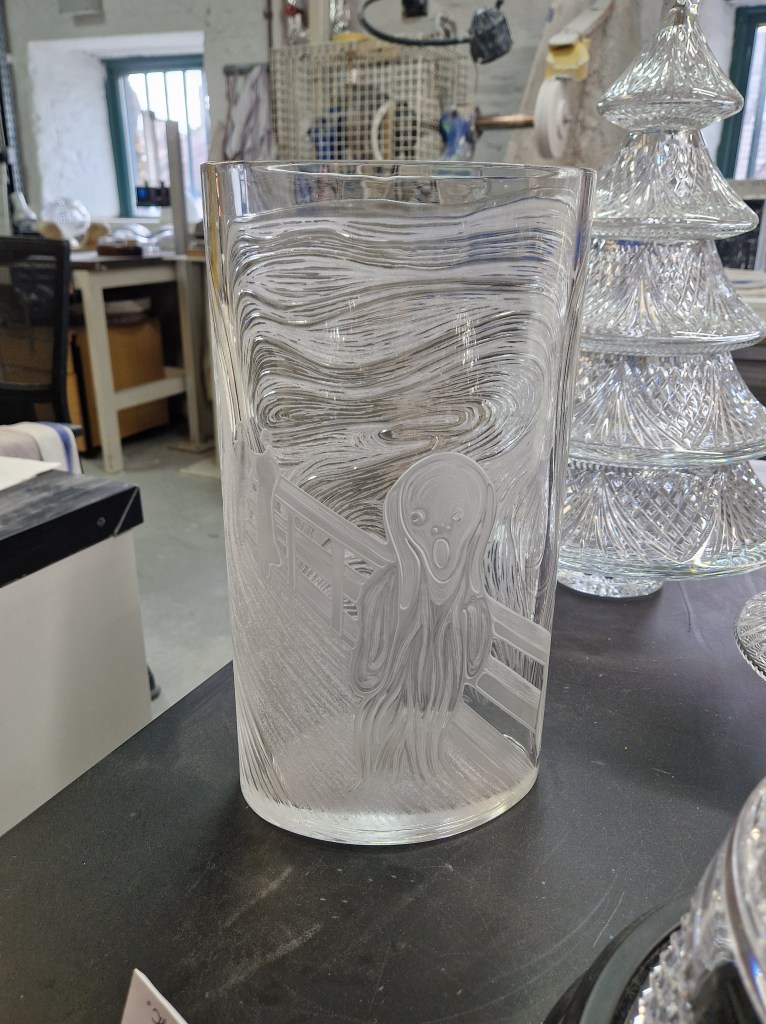
Which brings me to one of the two reasons to visit Waterford: the Waterford Crystal Factory. Due to a bit of Irish History of which I was aware, the Potato Famine, Waterford Crystal ceased production in 1851 and only restarted in 1947 when Charles Bacik fled the impending communist takeover of Czechoslovakia to set up a crystal factor close to Waterford. I’m afraid the style isn’t something that really appeals to me, but it is interesting to see the various production stages.
The second of the two reasons was to dine at Mara. Quoting the Michelin Guide, “[c]hef-Owner Luis Martin has both passion and ambition in abundance, largely working alone in the kitchen and serving his dishes in the cosy, well-lit room to just six tables. His well-balanced cooking incorporates locally foraged produce alongside a few influences from his native Spain, such as ajo blanco or cod buñuelo; the cep tiramisu, meanwhile, has become something of a signature.”
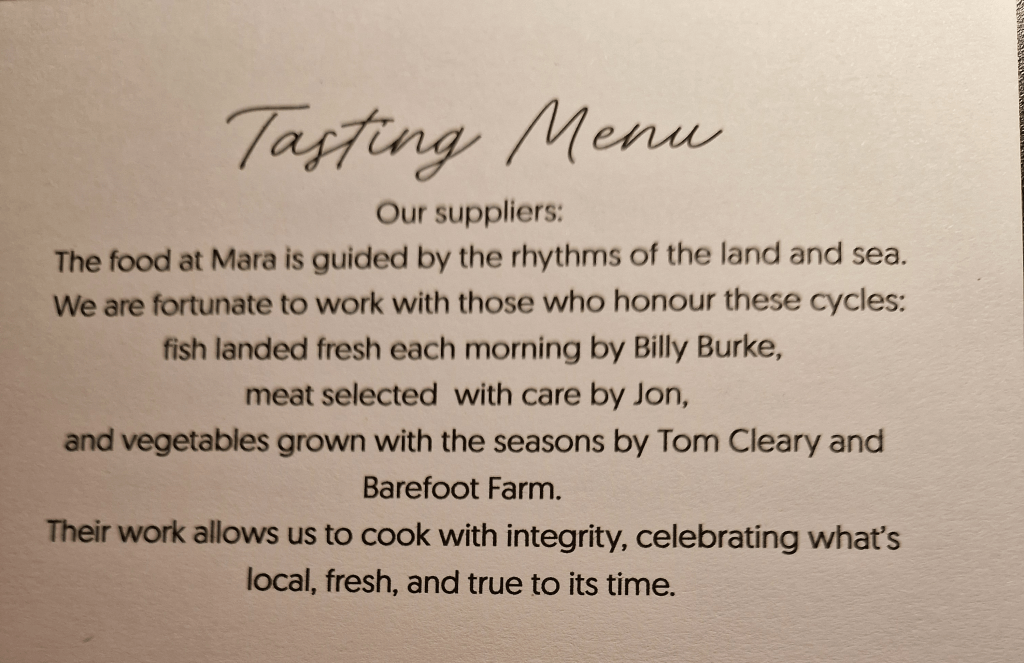
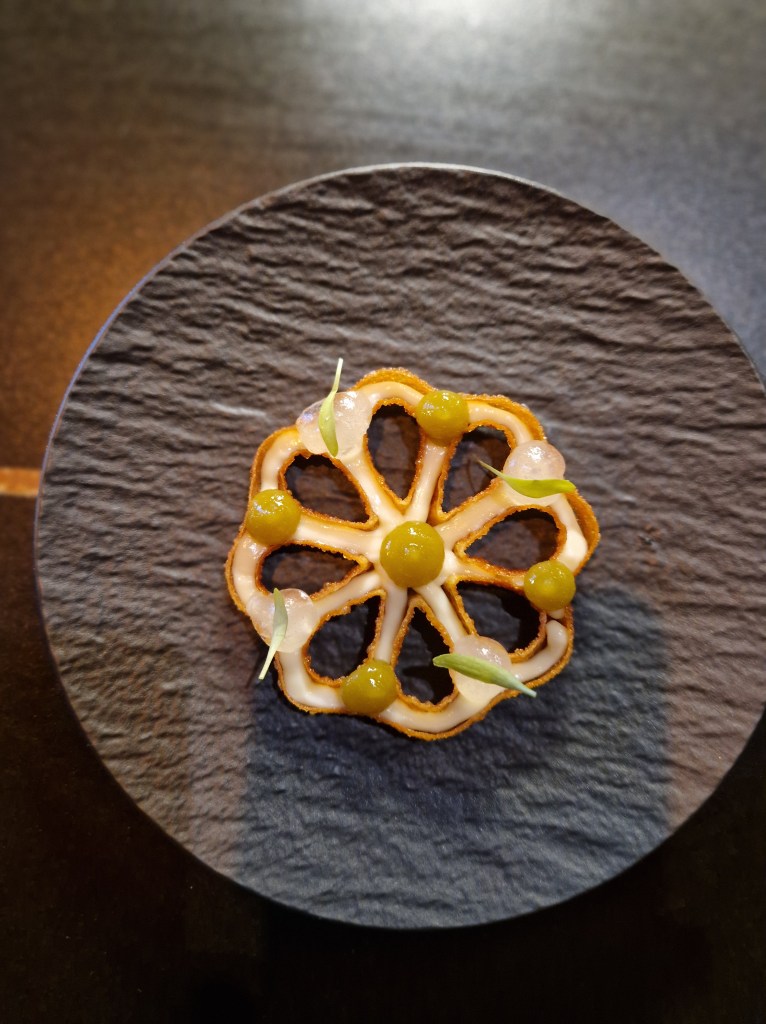
No cep tiramisu for me tonight, but as you can see from the back of the menu, the ethos matches that of Ballymaloe (and the chef goes there to buy raw milk). And I’ll post just one picture of my meal in case it isn’t on the web site: the delicious cheese flower.


Leave a Reply