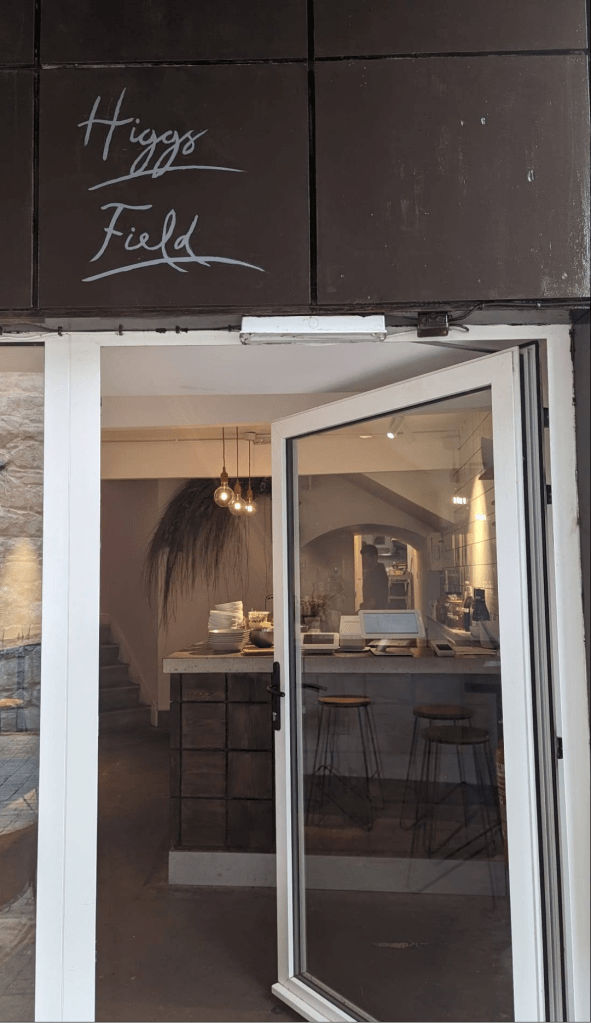
Fortunately, the universe is safe. As a particle physicist, I had to at least wander past the Higgs Field in Kilkenny but there’s no trace of its former frontage opposite Kytelers Inn (more on this later) on St Kieran’s Street.
See here for why a physicist would find a vanishing Higgs Field to be alarming.
Anyway, moving on from corny physics jokes, Kilkenny is, according to the Green Guide, Ireland’s outstanding medieval city and it’s named after St Canice in whose honour a monastery was founded in the 6th Century. The site of the monastery is now home to St Canice’s Cathedral which has a 30m round tower dating back a thousand years or so.
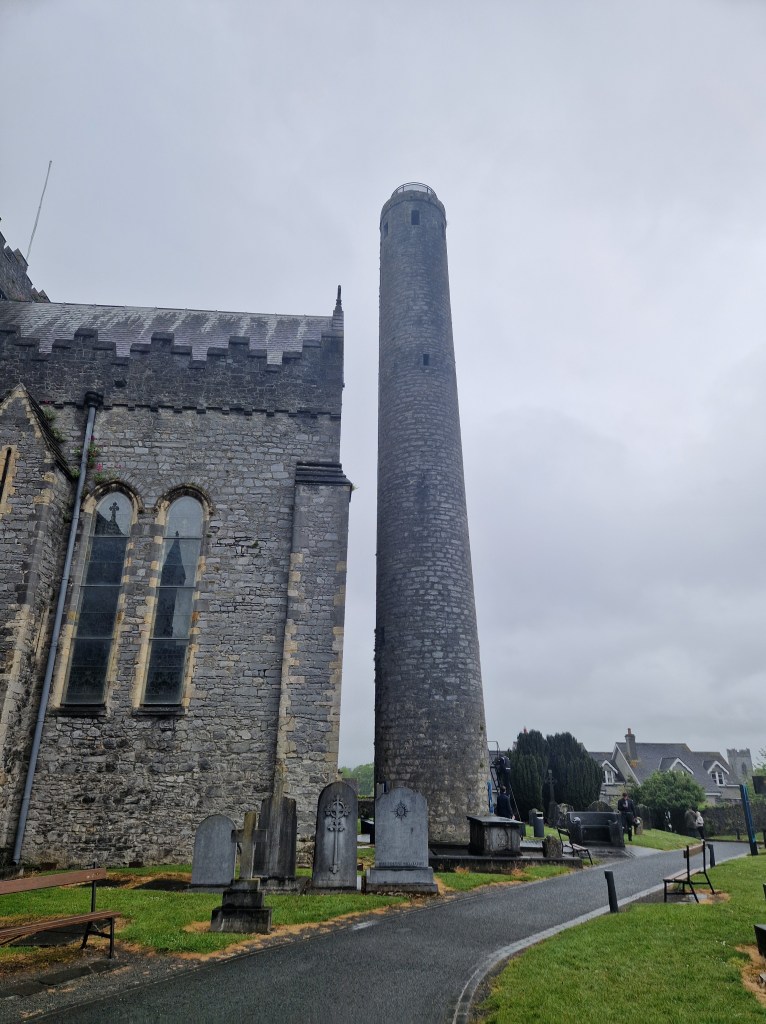

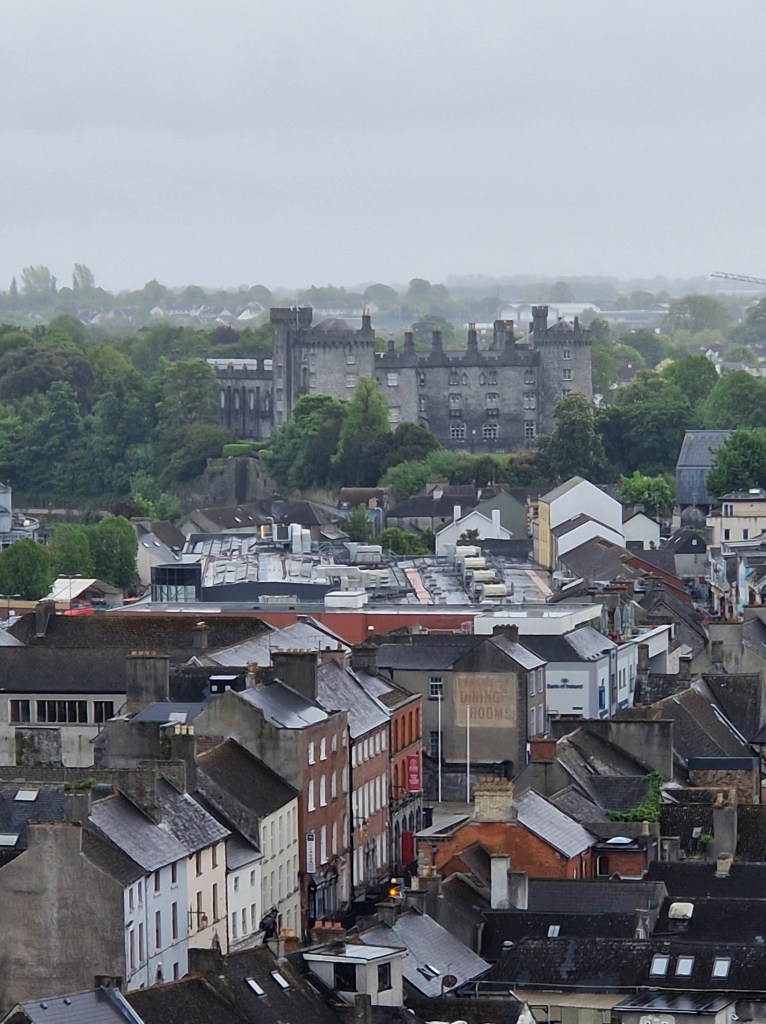
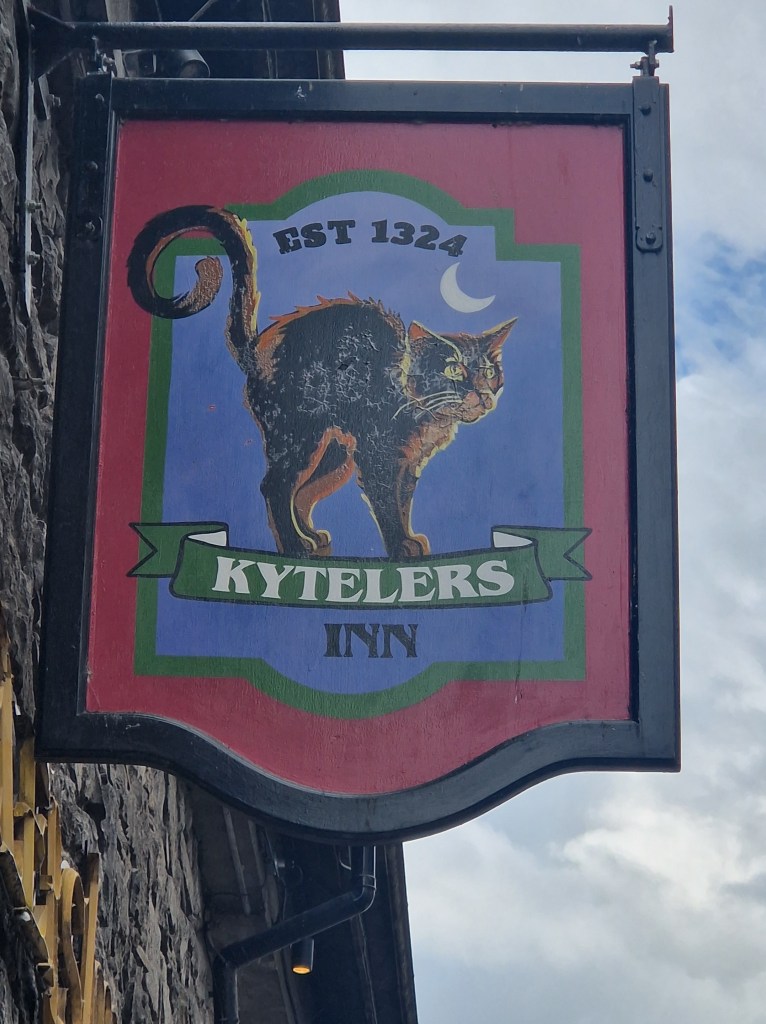
The cathedral was home to a longstanding and controversial Bishop Ledrede from 1317 to 1360. Much of the controversy relates to his persecution of Alice Kyteler for witchcraft (she was accused by her stepchildren after inheriting from four husbands and spending the money on her child rather than them…). Ms Kyteler escaped but her maid was less fortunate, being burned at the stake in 1324. Kytelers Inn, mentioned above, has a sign making reference to the affair. The oldest gravestone in the cathedral is believed to be that of Alice Kyteler’s father.
Bishop Ledrede’s title was the Bishop of Ossory and the Red Book of Ossory is a chronicle of his time as bishop and his achievements. It also, though, contains Ireland’s earliest reference to distilling and whisky.
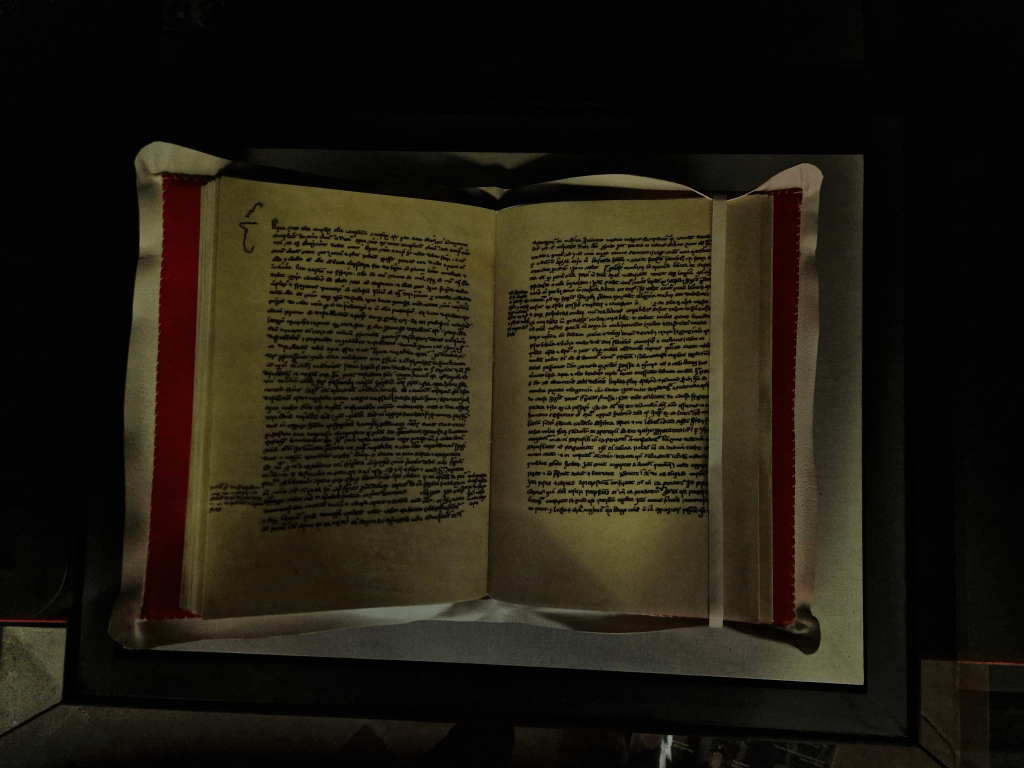
As in Youghal, Ireland’s relation with England is part of the history. Cromwell, for example, destroyed the stained glass windows and stabled horses in the nave of the cathedral. The persecution of Catholics is also relevant to the history of the Rothe House, built for a Catholic merchant, John Rothe, between 1594 and 1610 but lost to the family when they backed the losing side in the Battle of the Boyne.
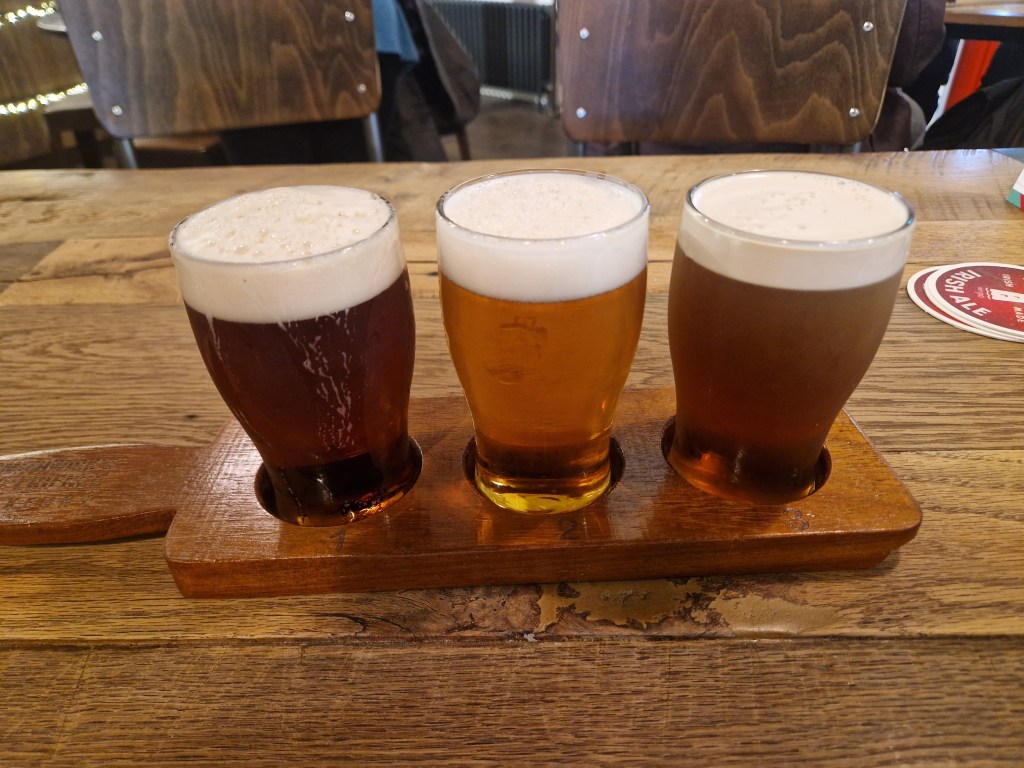
There’s Catholic/Protestant history behind Smithwick’s Brewery, too. Founded by John Smithwick in 1710 on the site of a Franciscan Abbey (where the monks brewed beer…), it didn’t bear the Smithwick name initially, since, as a Catholic, he couldn’t own a business. At least now I know of some ales that I can order instead of stout.
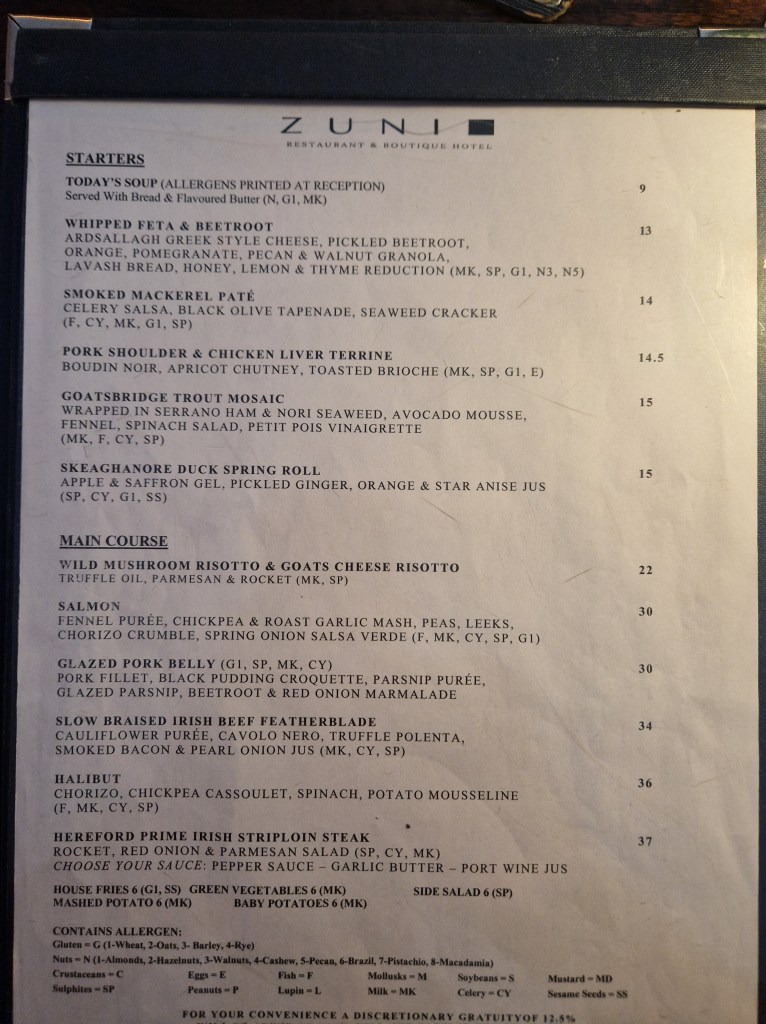
Zuni for dinner. I chose the Pork Shoulder & Chicken Liver terrine followed by the Glazed Pork Belly. I’ll look at the menu after next month’s session on menu design to see if I was steered to those choices!
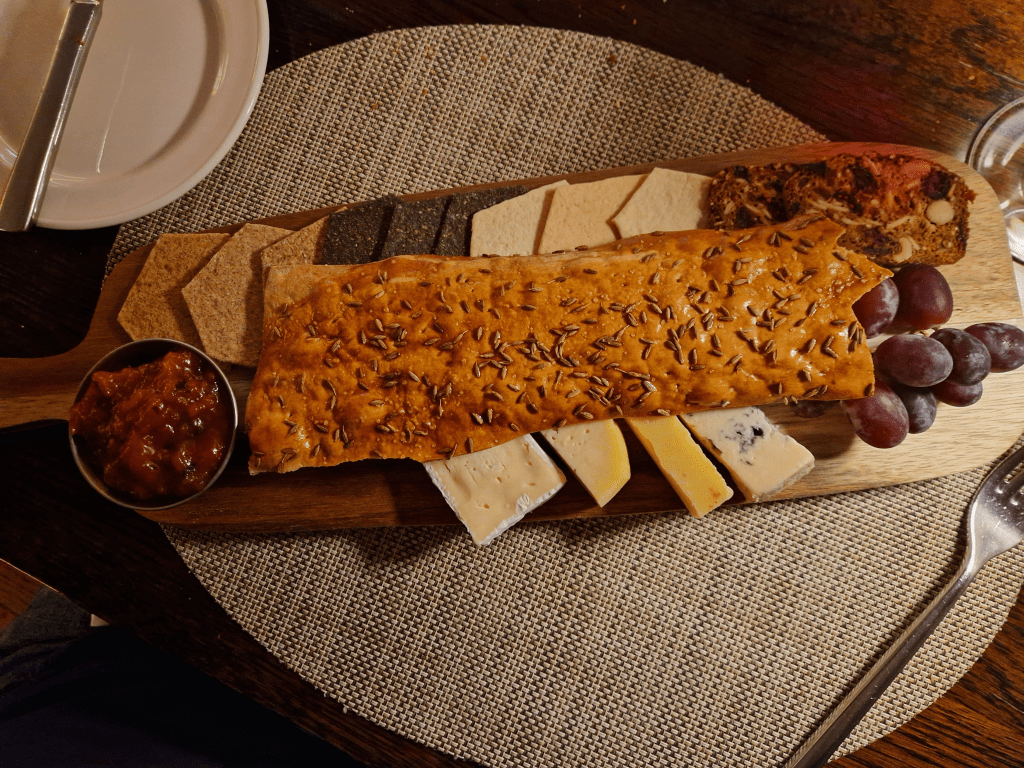
The cheese selection would have pleased Rory: all artisanal Irish (and note the Ardsallagh “Feta” on the menu above), but not the service. Too chilled and the cover was so heavily flavoured of cumin it was useless as a cracker. I took one bite and left the rest.
There’s still homework to do, even if it is a weekend away, so that takes up some time on Sunday morning. Then it’s off to lunch at Campagne. Simple menu choice here, Lunch or Dinner!
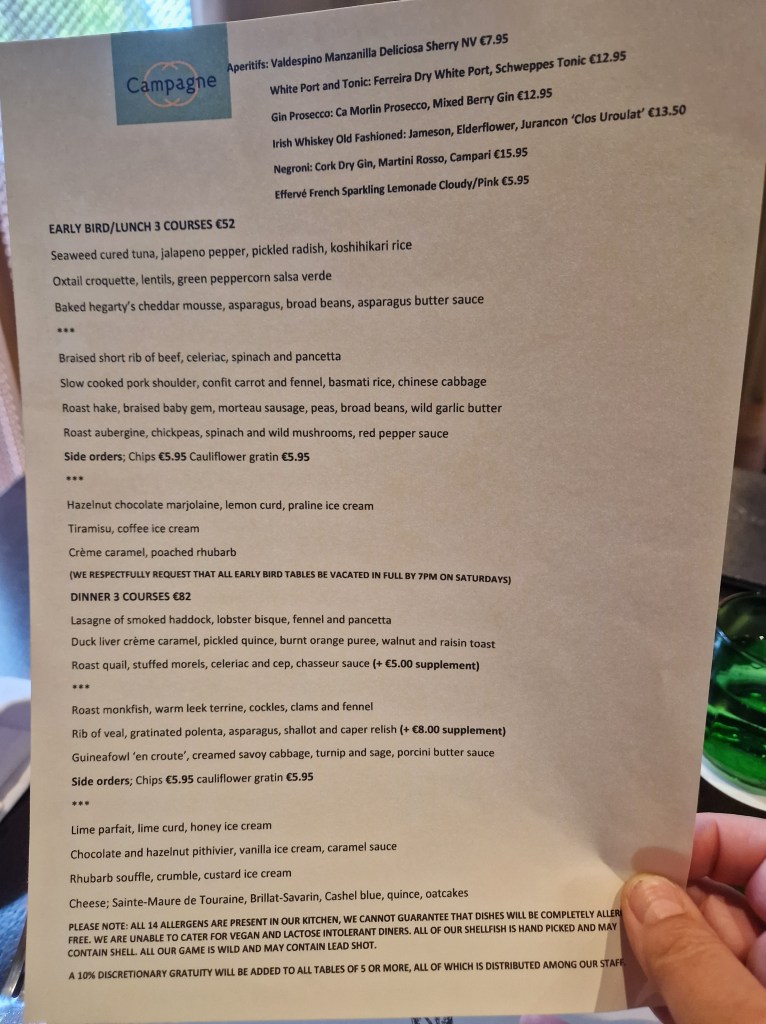
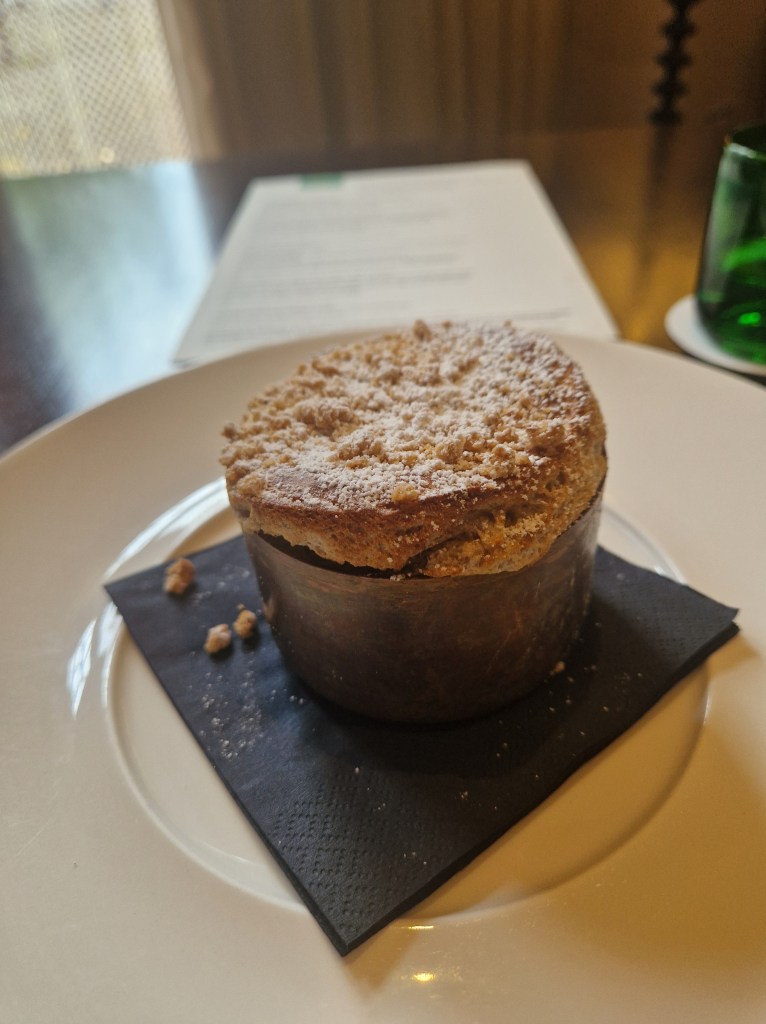
I went for the lunch option with the oxtail croquettes followed by the roast hake. Rather than my usual cheese (which was more French than Irish), I went for a rhubarb dessert (Rory would be pleased to see two on the menu), but opted for the more interesting sounding soufflé one. It was good, but a bit more rhubarb at the bottom wouldn’t have gone amiss.
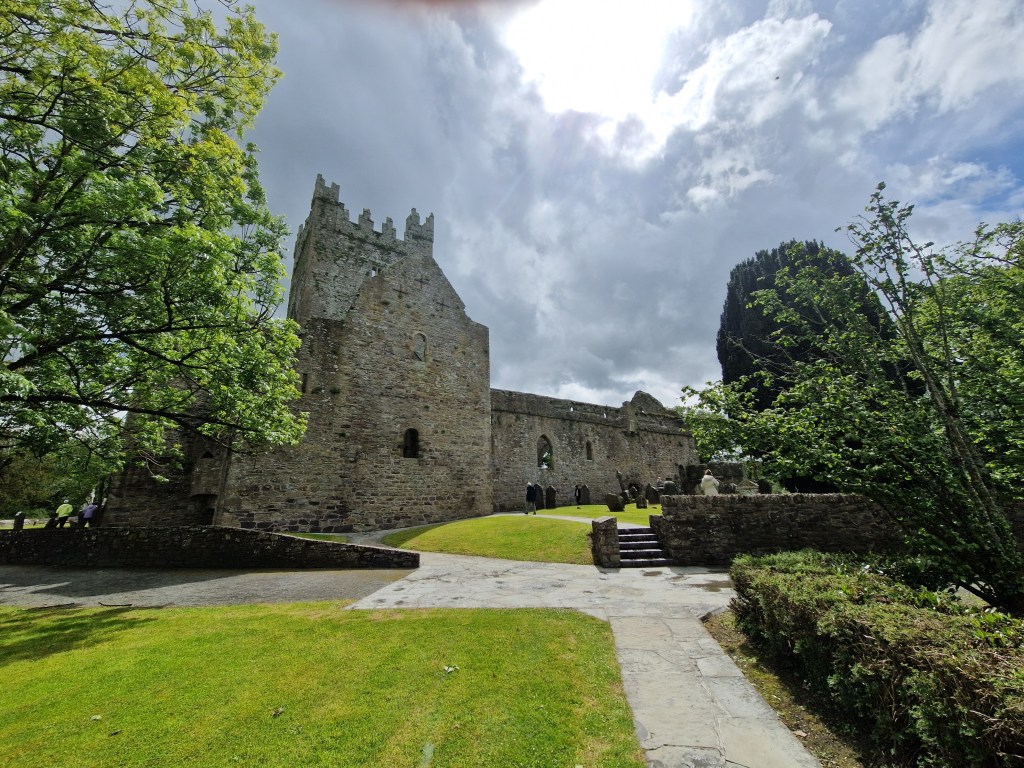
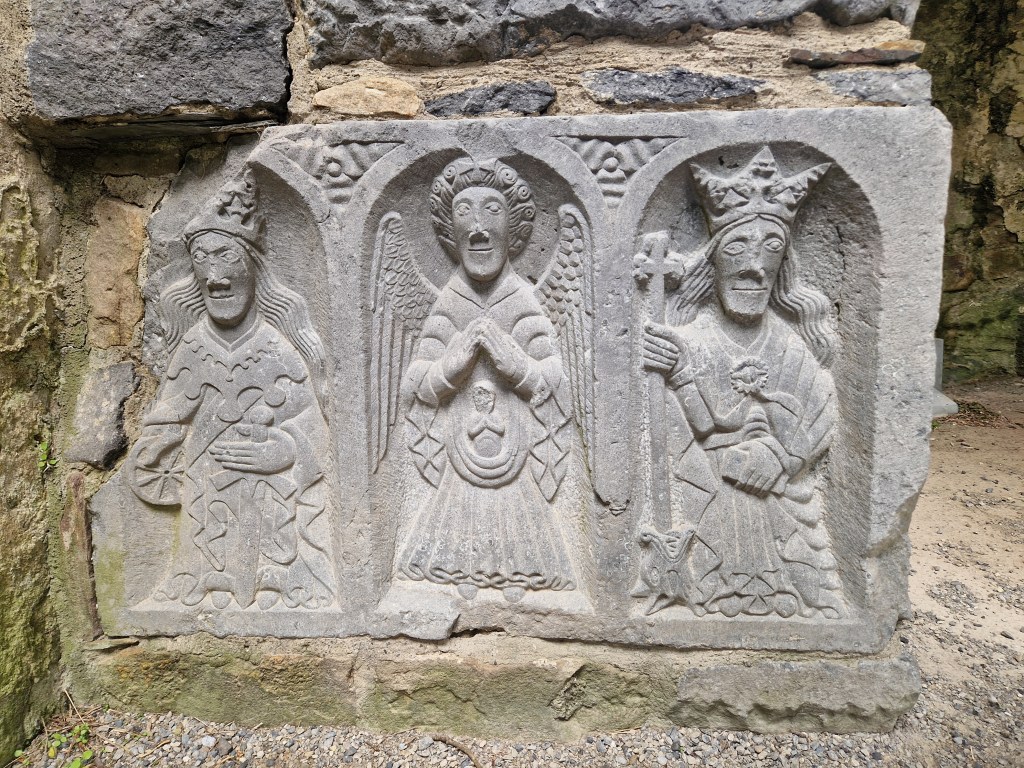
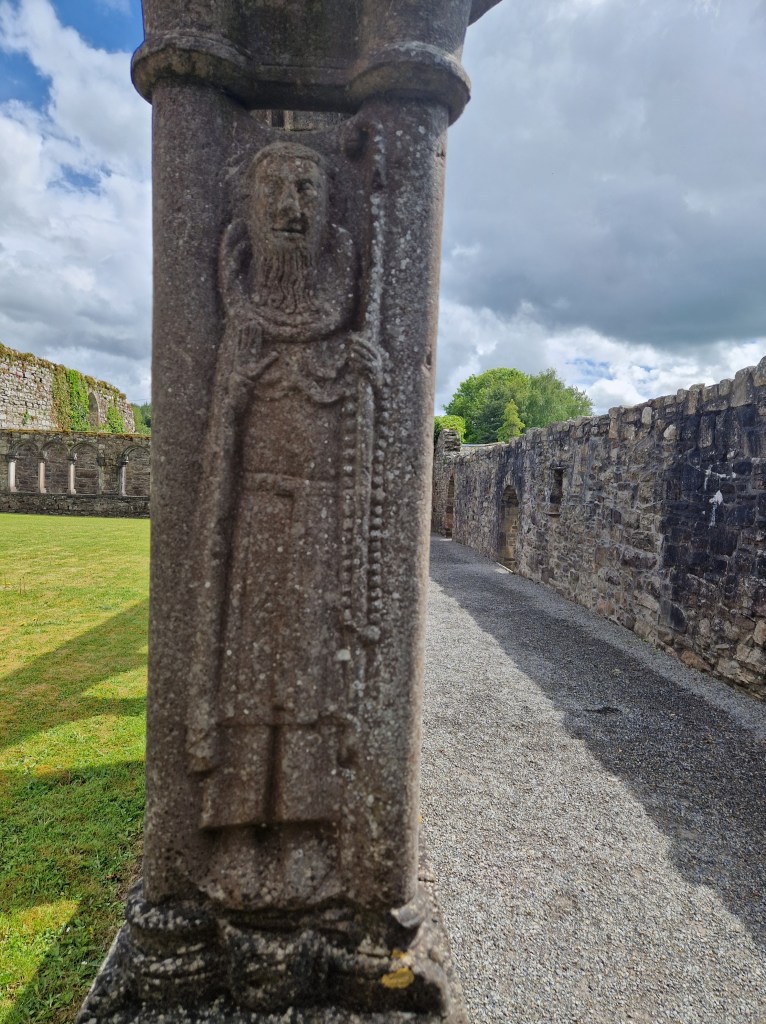
The Cistercian Jerpoint Abbey gets a ** rating in the Green Guide so I made the detour. It’s interesting as there are carvings in the church and on the cloister pillars even though Cistercian rules prohibited sculpture in monastic buildings. The abbey guide suggests that by the time the Abbey was built in the late 14th/15th century, attitudes to artistic matters were more relaxed than when the rules were established in the 12th century.
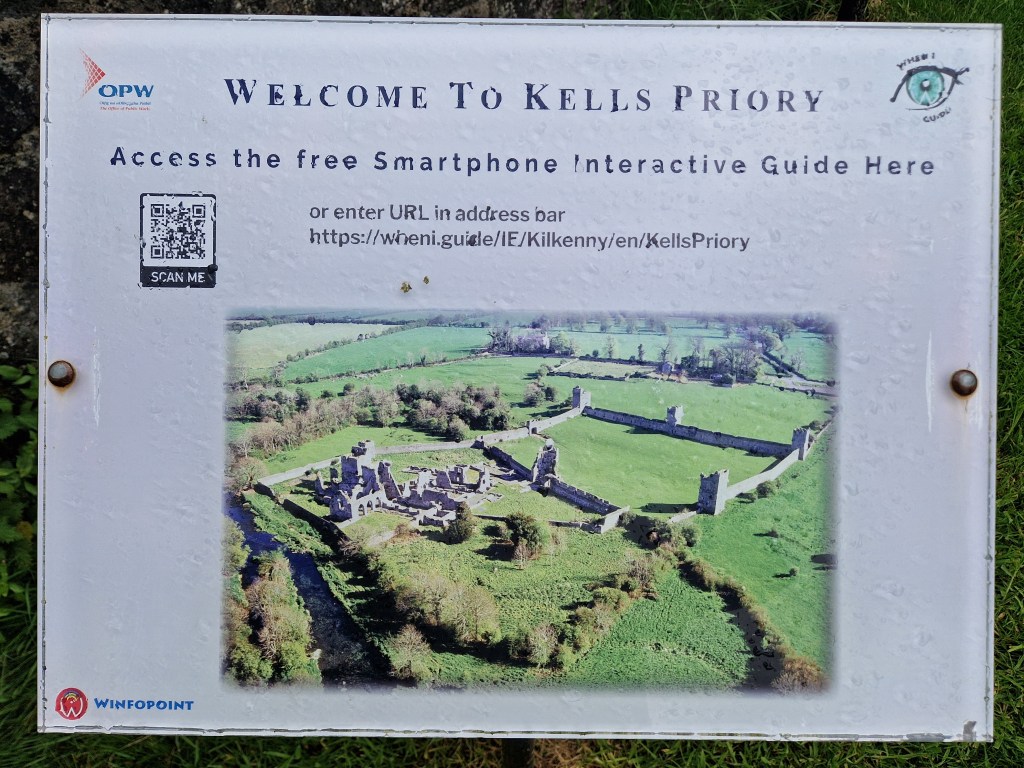
Kells Priory also gets a ** rating so I made a further detour. The Green Guide doesn’t say ** sites are worth getting drenched for, though, so here’s a picture taken for me just to prove I was there. It’s Ireland’s largest enclosed ecclesiastical site according to the Heritage Ireland link.
And back to Ballymaloe for more homework (I wasn’t going to take my large folder with me!), Blog and bed.
 Food in Provence (and elsewhere)
Leave a comment