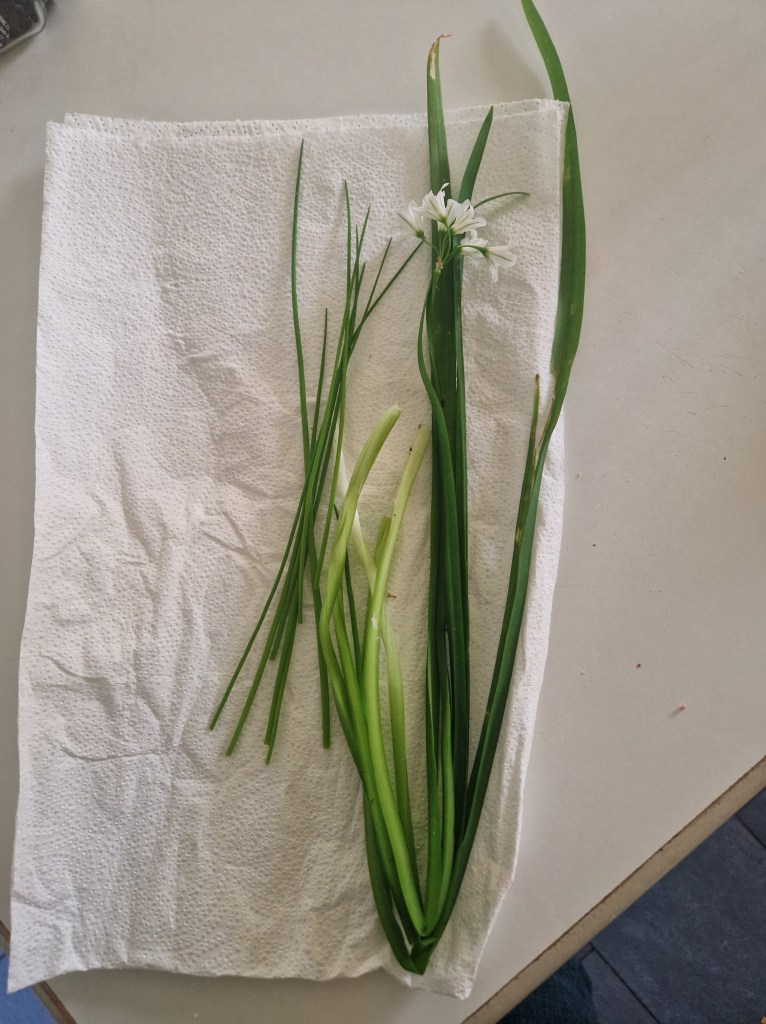
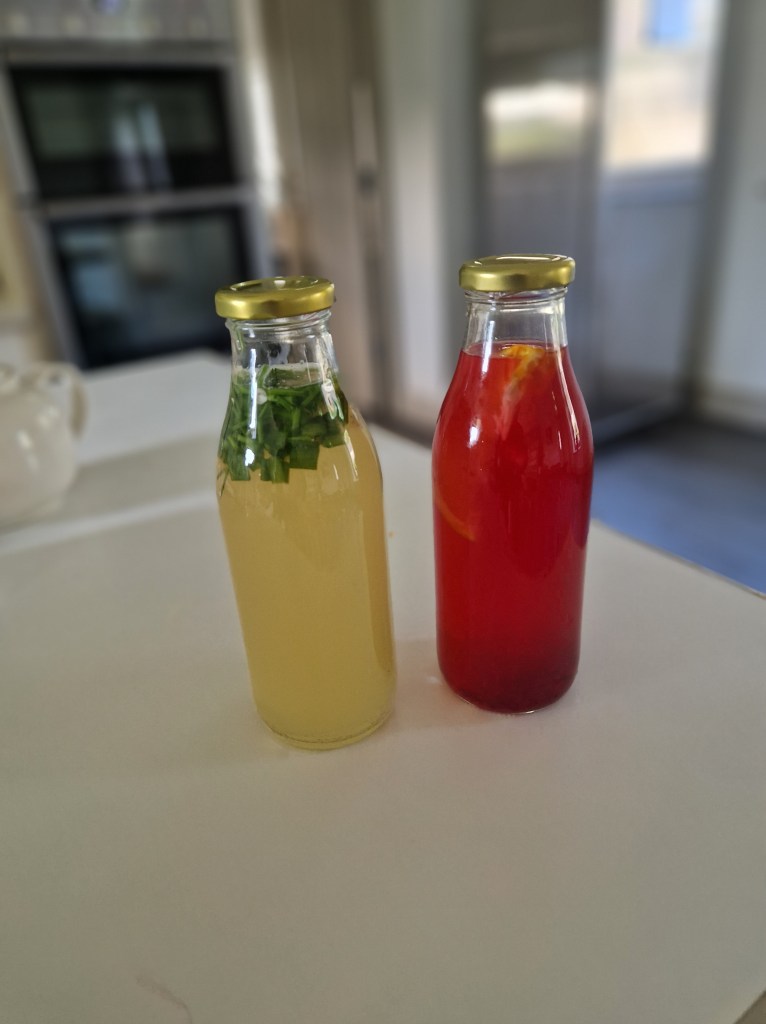
But first I have a 7am appointment for a visit to the farm and an 8:15 appointment with my kefir. On my way to the first I forage in preparation for the latter, collecting some wild garlic and chives.
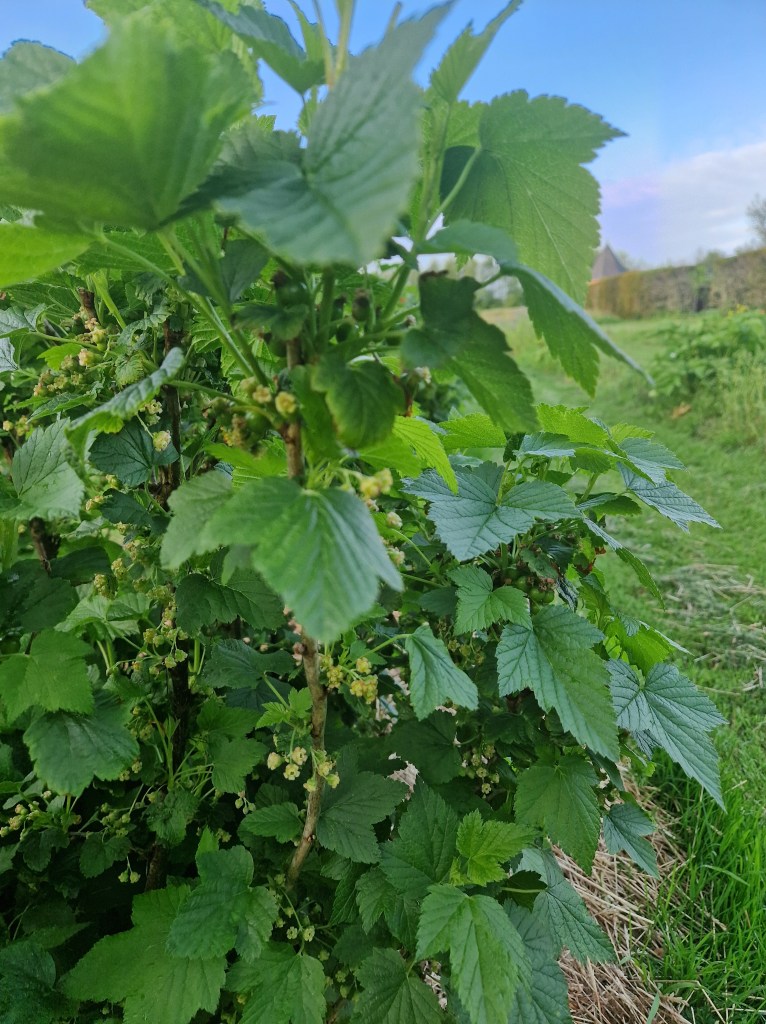
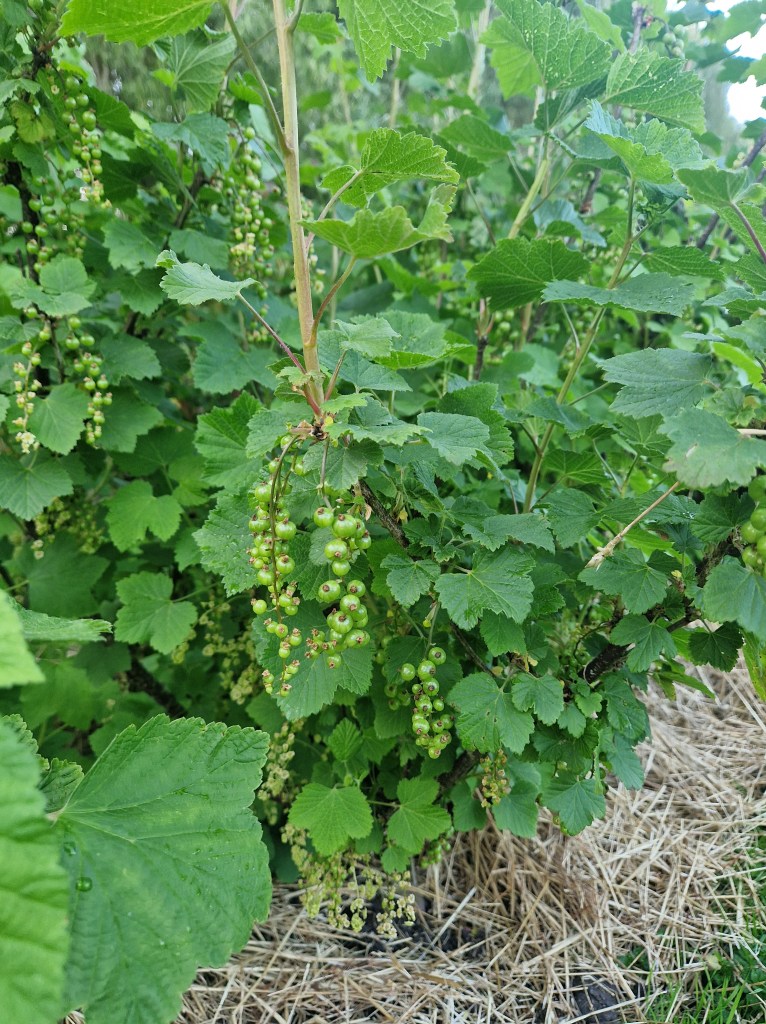
I guess I should have followed Darina’s exhortation to take pictures in the first week as things are certainly changing. Blackcurrant bushes have flowered and are starting to set fruit; the redcurrants are further along. J. will doubtless be happy to learn that gooseberries are considered difficult to grow—our one bush certainly never yields many usable berries.
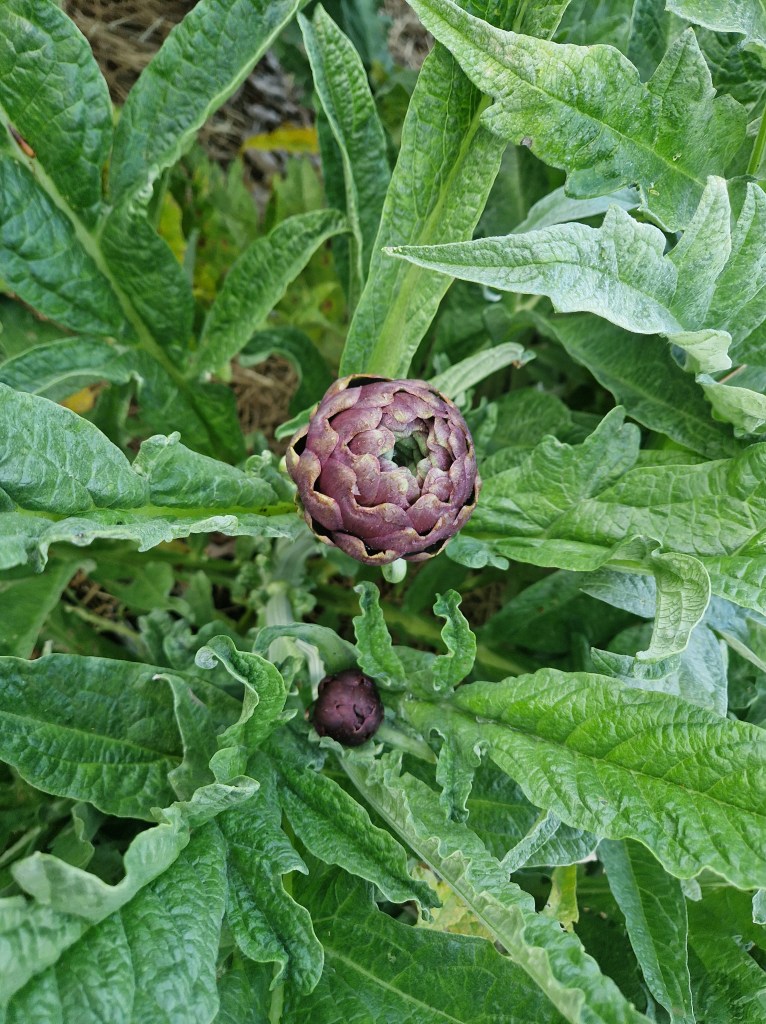
The globe artichokes are also developing; apparently those from the UK and Ireland can’t be used for, say, barigoule, just for cooking and nibbling away at the base of the leaves after dipping in a dressing.
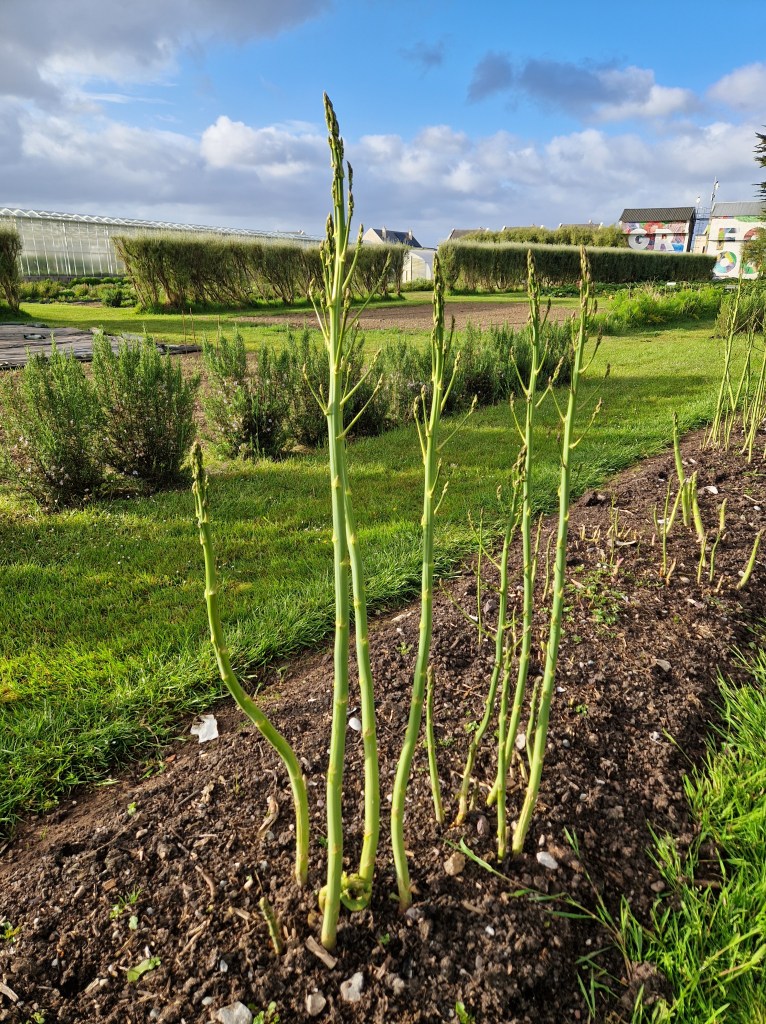
The asparagus season is over at Ballymaloe and the stalks are being allowed to flower to grow and prepare the crowns for next year’s crop.
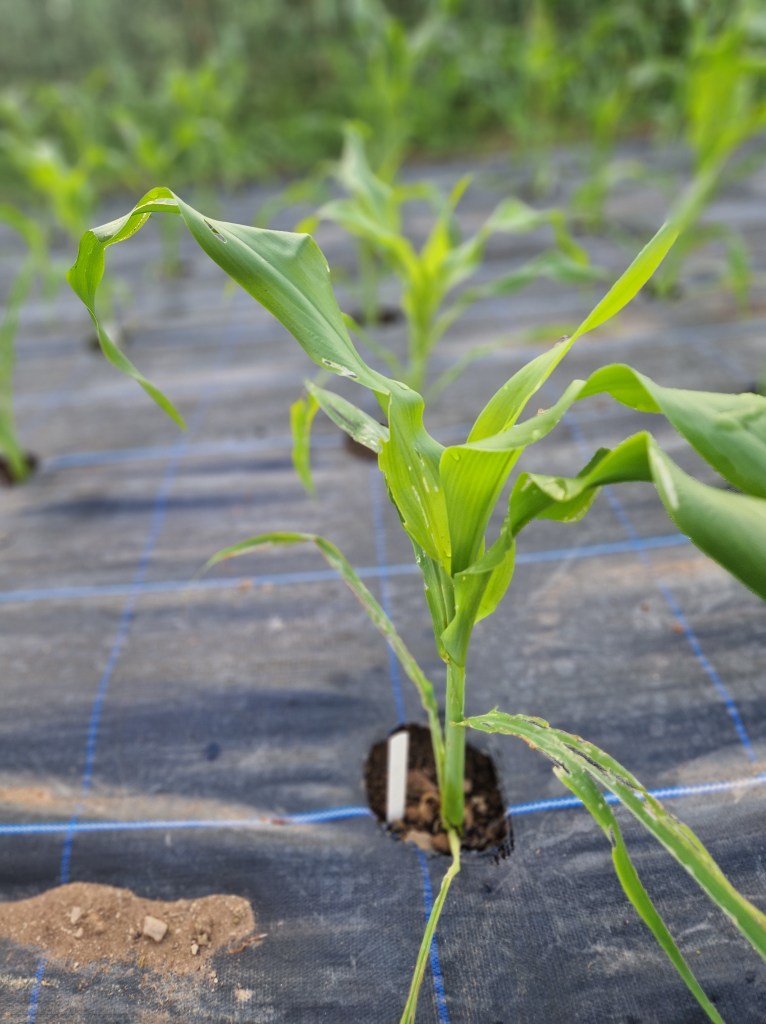
And, finally, our planted sweetcorn is growing away.
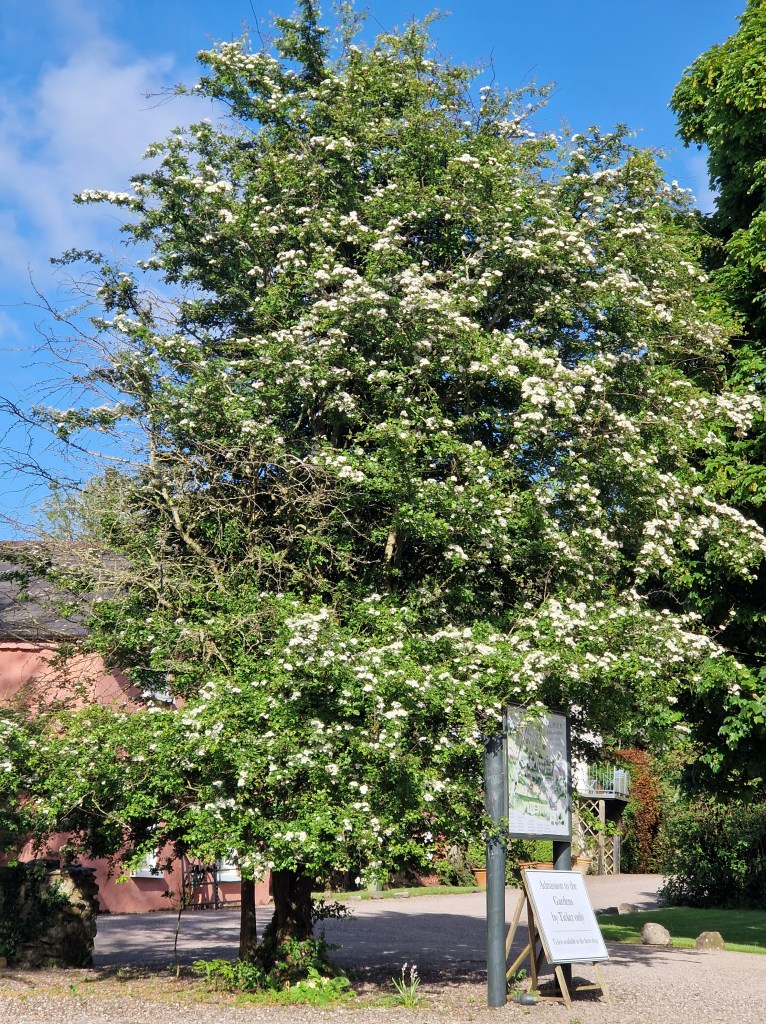
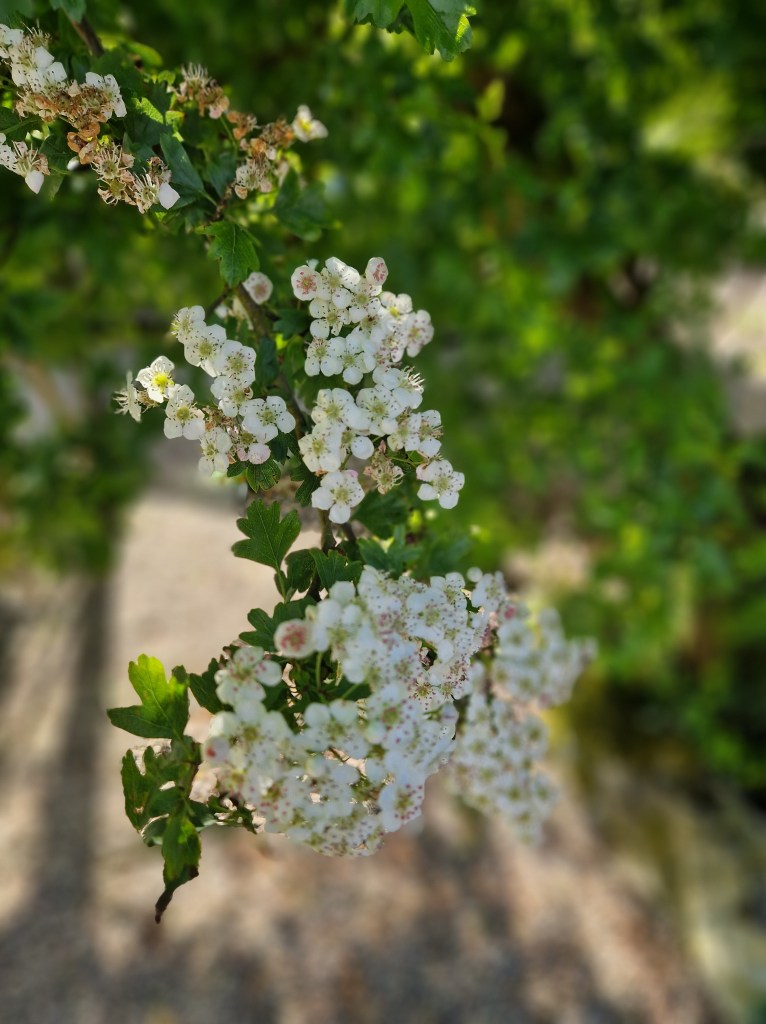
On my way to Fermentation HQ I meet Maria and some other students on their way to pick blossom for their kefirs from the local hawthorn tree. Showing us round the garden on the foraging tour, Rory warned us the hawthorns are seen as sacred fairy trees and it’s considered as terrible luck to damage, remove branches from, or cut down a fairy tree. Eating the leaves is OK, though, and the flowers and haws have been used in folk medicine so I guess we’re safe using some blossom to infuse the kefir.
My partner is delayed so as well as my garlic and chive bottle, I make a beetroot and orange one for her; probably a more mainstream version!
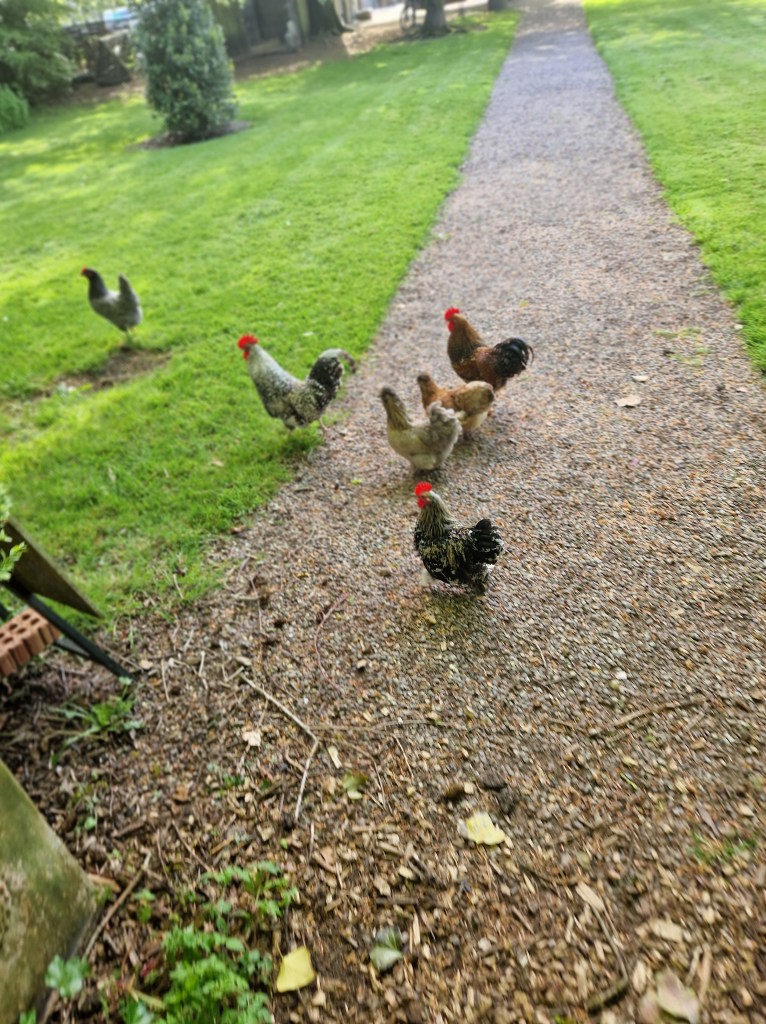
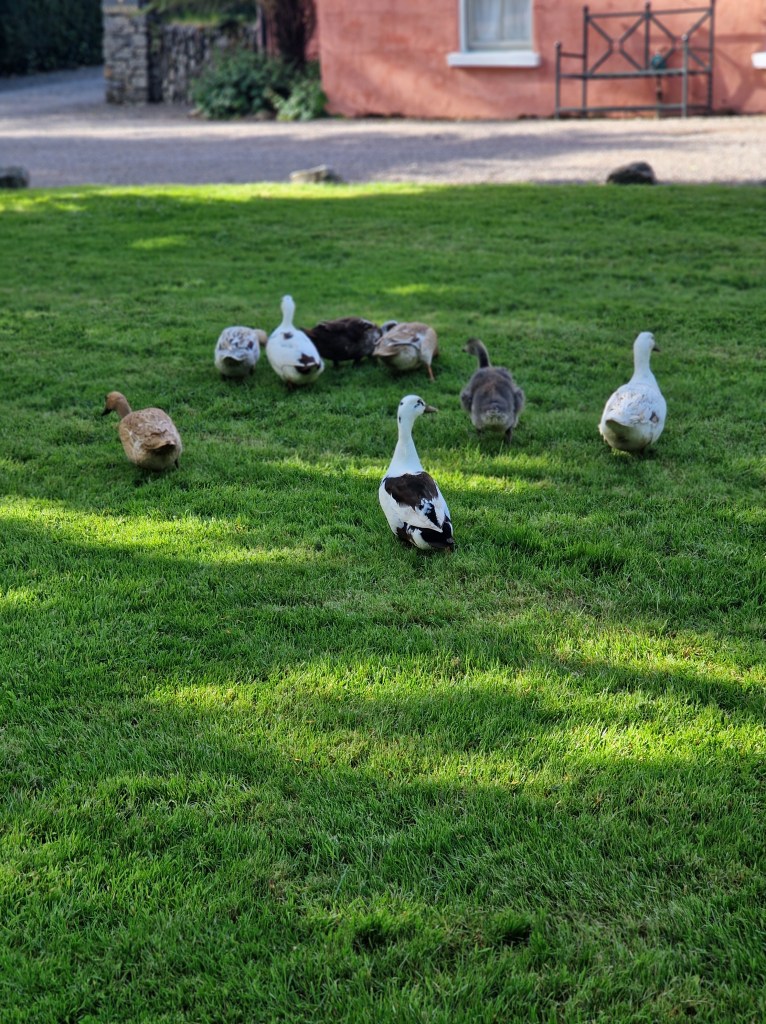
To finish with the pictures, here’s some of the wildlife I meet on the way from the cottage to the main school building:
So, to business. Or more precisely, the business of food. We’re asked two initial questions. “What is your first duty when opening a food service business” and “What experience do customers need to have to keep them coming back.” My guess for the first (provide a safe product) is echoed by a few others but none of us get the answer Blathnaid Bergin, our trainer, gives—which is to make money! At least my answer to the second—“one consistent with their expectations” is on the right lines as we are then asked to consider what systems need to be in place to ensure expectations are met consistently, that the business makes money and can recruit and retain good staff—and finally that we, the owners, have a good quality of life.
During the discussion that follows there are some interesting figures given. For example, rent & rates shouldn’t exceed 10% (and very preferably 8%) of net income (i.e. after VAT, sales taxes and the like). This because as an industry average (although not for fine dining outfits; these are outliers in many ways), 25% of net income goes on food costs, 32% on labour costs and 24% on overheads (including rent & rates) leaving just 19% as profit—but pre-tax profit! On the bright side, the 32% for labour costs includes the owner’s salary. This leads to a discussion of the current situation where costs of ingredients are going up but raising prices is likely to deter customers…
After the coffee break Blathnaid runs through the frighteningly long list of legal areas restaurant owners need to be aware of.
The afternoon session is more interesting as Blathnaid explains how important menu planning is to constraining costs. And in many ways. There’s the obvious one of reusing ingredients and preparations across dishes—both for ease of preparation (impacting the number and skill level of kitchen staff) and in terms of limiting waste. But also less obvious ones—the choice of plates has an impact on the front of house: heavy ones mean servers can carry fewer (both on serving and clearing) and large ones need space on tables which can limit the number of covers.
We’re then asked to design a menu for a café we are taking over taking into account the equipment and the local environment. My little group of three doesn’t really come up with a menu as such, but we do consider various potential customer groups, the times they might appear and what might appeal. I’m afraid I worry a little about the market research that went into the preparation of those presented—I tend to think they are more oriented towards school attendees than the clientele of the adjacent supermarket, office block and gym. That said, the presenters have taken on board the point about ingredient reuse and suchlike.
Finally, the various groups are asked to prepare a summary of their takeaways in the form of a front page for a newspaper. One group has a picture of students with tears in their eyes (not from chopping onions) with a headline something like “Aspirations dashed!”
Me, I never had any in the set-up-a-business line in the first place. But I’d likely be with them otherwise.
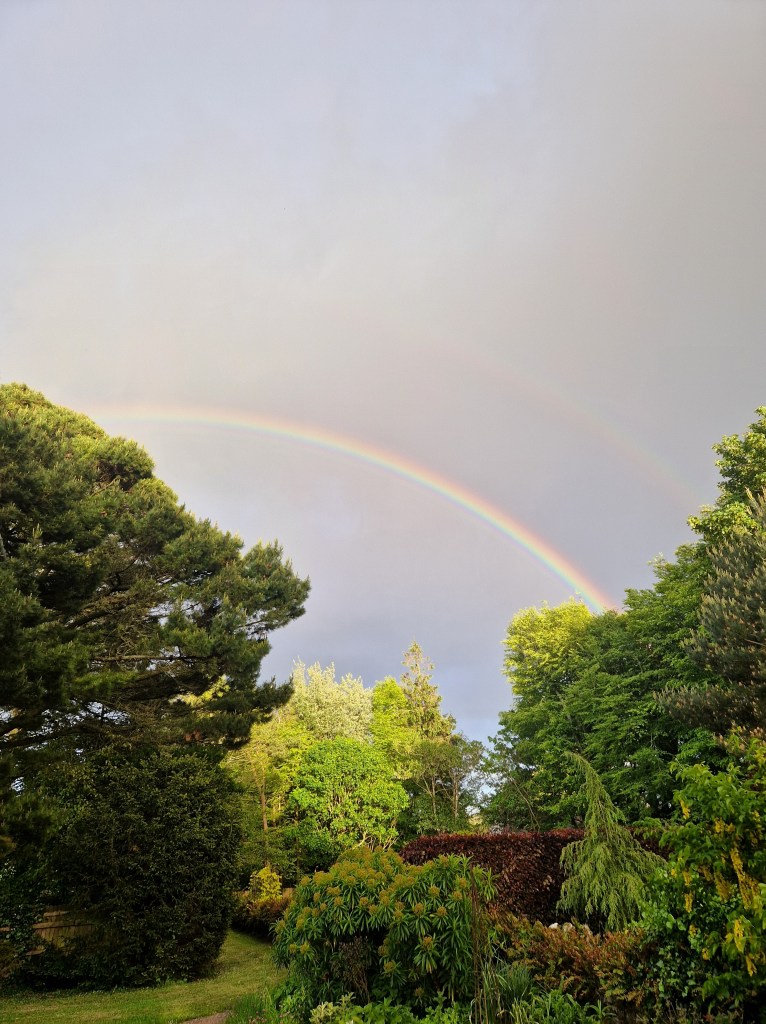
I said above that I’d finished with the pictures. But, courtesy of the Irish weather, here’s a double rainbow. Life isn’t always gloomy. And a good number of students appreciate a fuller understanding of the realities. As Blathnaid said towards the beginning, not knowing what you don’t know is a very dangerous position to be in. At least after today people should have a good understanding of what they do need to know—and pointers as to where they can learn more.

 Food in Provence (and elsewhere)
Leave a comment